Brisbane Criminal Defence: Magistrates Court Specialists
Brisbane Criminal Defence lawyers who know the Magistrates Court inside out. Local experience, clear advice, and strong results for your case.

Brisbane Criminal Defence work is a different game to what you see on television. Most criminal matters in Queensland never reach a jury or a Supreme Court judge. They start and finish in the Magistrates Court, often within a matter of weeks, and the outcome usually rests on how well your lawyer knows that specific courtroom, that specific prosecutor, and that specific magistrate’s approach to sentencing. If you or someone you care about has been charged with an offence and is due to appear in a Brisbane Magistrates Court, the lawyer you choose in the first few days can shape everything that follows.
This article looks at what Brisbane Criminal Defence actually involves at the Magistrates Court level, why local court knowledge matters more than people expect, the kinds of charges that pass through these courts every day, and how to pick a lawyer who will actually fight for you rather than just process your file.
We’ll also walk through the defence process step by step, so you know roughly what to expect if you’re facing your first appearance. Whether you’re dealing with a traffic matter, a domestic violence application, a drug charge, or something more serious, understanding how the Magistrates Court works puts you in a far stronger position to make good decisions under pressure. Let’s get into it.
Understanding the Brisbane Magistrates Court System
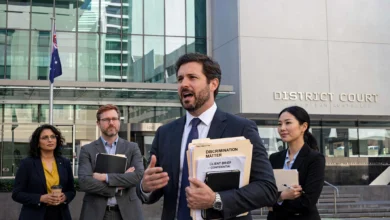
The Brisbane Magistrates Court, located on George Street in the CBD, handles the overwhelming majority of criminal charges laid in the greater Brisbane region. It’s the entry point for almost every criminal matter in Queensland, and for many offences, it’s also where the case is finalised.
A few things set the Magistrates Court apart from higher courts:
- No jury. A single magistrate hears the evidence and decides the outcome, whether that’s a plea of guilty being accepted and sentenced, or a full contested hearing.
- Faster turnaround. Matters move quickly compared to the District or Supreme Court. First appearances, mentions, and even summary trials can be scheduled within weeks rather than months.
- Summary and indictable offences. The court deals with summary offences (which can only be heard here) and many indictable offences that can be dealt with summarily if both the prosecution and the defence agree, or if the charge falls within a certain threshold.
- High volume, tight lists. On any given weekday, dozens of matters are called through a single courtroom. A lawyer who regularly appears there understands the rhythm of the list, which matters enormously when you’re trying to get a fair hearing of your case rather than being rushed through.
For official information on court locations, registry hours, and how matters are listed, the Queensland Courts website is a reliable starting point.
Why You Need Brisbane Criminal Defence Specialists
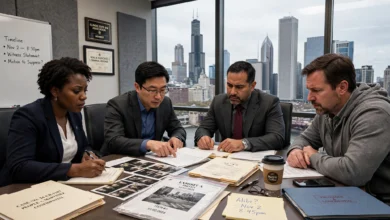
Not every criminal lawyer spends their week in the Magistrates Court. Some focus on commercial litigation, family law, or higher court trial work. Brisbane Criminal Defence specialists, by contrast, live in these courtrooms. That distinction matters more than most people realise when they’re first charged.
Local Court Knowledge Matters
Every Magistrates Court registry in Brisbane, whether it’s the main George Street court, Holland Park, Sandgate, or Richlands, has its own culture. Prosecutors handle matters differently from one registry to another, court staff have their own processes for filing material, and magistrates have individual tendencies around bail, adjournments, and sentencing. A lawyer who appears regularly in a particular registry knows:
- Which prosecutors are open to early negotiation and which prefer matters to run their full course
- How a specific magistrate typically approaches first-time offenders versus repeat matters
- The practical timing of when to file submissions, references, or medical material for the best chance of a favourable outcome
- Local diversion and treatment program options that may be available before sentencing
This kind of insider knowledge isn’t something you get from a general practice lawyer who occasionally handles a criminal matter. It comes from being in the building, week after week.


Experience With Magistrates Court Procedures
The Magistrates Court moves on a tight schedule, and the procedural rules, while less complex than higher court rules, still catch people out constantly. A specialist knows how to:
- Correctly enter a plea and understand the consequences of doing so at the wrong stage
- Request an adjournment without damaging your credibility with the court
- Negotiate charge downgrades or withdrawals with the prosecution before the matter is even listed for hearing
- Prepare bail applications that address the specific concerns a magistrate is likely to raise
- Identify when a matter should be elected to a higher court, and when it’s genuinely better to stay in the Magistrates Court
Getting any of these wrong can mean the difference between a fine and a criminal conviction, or between bail and remand.
Common Charges Handled in Brisbane Magistrates Court
Brisbane Criminal Defence lawyers working at Magistrates Court level see an enormous range of charges. Some of the most common include:
- Traffic offences – drink driving, drug driving, driving without a licence, dangerous driving
- Drug offences – possession, minor supply, and drug utensil charges
- Assault charges – common assault, assault occasioning bodily harm, and public nuisance
- Property offences – stealing, wilful damage, and unlawful entry
- Domestic violence matters – applications for protection orders and breaches of existing orders
- Fraud and dishonesty offences – within the summary jurisdiction threshold
- Weapons offences – unlawful possession of a weapon or breach of weapons licence conditions
- Public order offences – disorderly conduct, obstructing police, and trespass
Each category carries its own set of defences, sentencing considerations, and negotiation strategies. A drink driving charge, for example, might turn on the accuracy of a breath test or the circumstances of the police interception, while a domestic violence matter often hinges on the specific wording of the application and whether cross-examination of witnesses is genuinely necessary.
What to Look for in a Magistrates Court Specialist
Choosing the right representation for Brisbane Criminal Defence matters is one of the most consequential decisions you’ll make during a difficult time. Here’s what actually separates a strong specialist from an average one.
Track Record and Case Outcomes
Ask directly about the lawyer’s experience with matters similar to yours. A lawyer who has run hundreds of Magistrates Court matters will have a realistic sense of:
- What outcomes are genuinely achievable given the facts of your case
- Which arguments actually persuade a magistrate, as opposed to arguments that sound good but rarely move the needle
- When it’s worth fighting a charge and when a negotiated plea genuinely serves your interests better
Be wary of anyone who promises a guaranteed result before they’ve seen the brief of evidence. No honest lawyer can do that, and a promise like that is usually a red flag rather than a reassurance.
Clear Communication and Fees
Criminal charges are stressful enough without confusing legal jargon or unclear costs. A good Brisbane Criminal Defence lawyer should:
- Explain your charges and the likely process in plain language
- Give you a clear costs estimate upfront, including whether fixed fees are available
- Respond to your calls and emails within a reasonable timeframe, especially as your court date approaches
- Be upfront about realistic outcomes rather than telling you what you want to hear
If you’re unsure whether you qualify for assistance, Legal Aid Queensland provides information on eligibility for funded legal representation, along with duty lawyer services available at most Magistrates Courts for people appearing without a lawyer.
The Criminal Defence Process in Brisbane Magistrates Court
If this is your first time dealing with the criminal justice system, the process can feel overwhelming. Here’s a general outline of how a matter typically progresses through the Brisbane Magistrates Court, though the specifics will always depend on your individual charges.
- Charge and first appearance – You’re formally charged, usually by way of a notice to appear or a bail undertaking, and given a date for your first mention.
- Obtaining the brief of evidence – Your lawyer requests the full brief from the prosecution, including witness statements, police notes, and any relevant footage.
- Reviewing the evidence and advising you – Your lawyer assesses the strength of the case against you and explains your realistic options, including pleading guilty, contesting the charge, or negotiating a downgrade.
- Negotiation with the prosecution – In many cases, charges can be reduced, combined, or withdrawn entirely through early negotiation before the matter proceeds further.
- Entering a plea – Depending on the advice you receive, you’ll either enter a plea of guilty or not guilty at the appropriate stage.
- Sentencing or hearing – If you plead guilty, the matter proceeds to sentencing, often on the same day or shortly after. If you plead not guilty, the matter is listed for a summary hearing where evidence is tested.
- Outcome and next steps – Depending on the result, this may include a fine, good behaviour bond, probation, or in some cases, further avenues such as an appeal.
Every stage carries real consequences, which is exactly why early legal advice matters so much.
Benefits of Early Legal Representation
Contacting a Brisbane Criminal Defence lawyer as soon as possible after being charged, ideally before your first court appearance, gives you real advantages:
- More time to gather character references, medical reports, or other supporting material
- A stronger negotiating position with police or prosecutors before positions become fixed
- Reduced anxiety, because you understand what’s actually happening and what to expect
- Better bail outcomes, since your lawyer can prepare a proper application rather than responding on the fly
- Avoiding early mistakes, such as giving an unrepresented police interview that later damages your case
Waiting until the week of your court date significantly narrows your options. Good defence work is largely about preparation, and preparation takes time.
How Brisbane Criminal Defence Lawyers Prepare Your Case
Behind every court appearance is a significant amount of preparation that clients rarely see. This typically includes:
- Reviewing all evidence line by line, checking for procedural errors, inconsistencies, or weaknesses in the prosecution case
- Taking detailed instructions from you about the circumstances surrounding the charge
- Researching sentencing precedents for similar matters heard by the same court or magistrate
- Preparing submissions and supporting documents, such as references, treatment records, or psychological reports where relevant
- Rehearsing likely questions if the matter proceeds to a contested hearing
- Liaising with the prosecution to explore whether charges can be resolved without a full hearing
This groundwork is what allows a lawyer to walk into the Magistrates Court and advocate effectively on your behalf, rather than reacting to whatever happens on the day.
Choosing the Right Brisbane Criminal Defence Lawyer for Your Case
With so many options available, narrowing down the right Brisbane Criminal Defence lawyer can feel daunting. A few practical steps can help:
- Check their specific Magistrates Court experience, not just general criminal law experience
- Ask about their familiarity with your local registry, since court culture varies across Brisbane
- Request a clear breakdown of likely costs before committing
- Read reviews or ask for references from previous clients where possible
- Trust your instincts during the initial consultation, since you’ll be working closely with this person under pressure
The Queensland Law Society maintains a directory that can help you verify a lawyer’s credentials and standing, which is worth checking before you commit to representation.
Conclusion
Brisbane Criminal Defence at the Magistrates Court level is a specialised area of practice that rewards local knowledge, genuine courtroom experience, and careful preparation. From understanding how each registry operates to negotiating with prosecutors and preparing a strong case for sentencing or hearing, the right lawyer makes a measurable difference to your outcome. If you’re facing charges, don’t wait until the last minute.
Reach out to a genuine Magistrates Court specialist early, ask the right questions before committing, and make sure the person representing you actually knows the courtroom you’re walking into. The stakes are too high to leave to chance, and the right guidance from the outset can change the entire trajectory of your case.