California Employment Law: 10 Employee Rights You Didn’t Know
California employment law gives workers surprising rights most never use. Here are 10 you probably don't know you have.
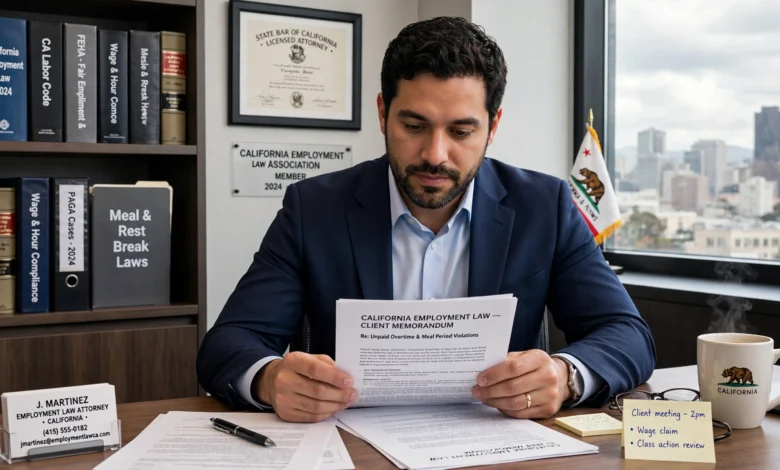
If you work in California, you’ve probably heard the basics: minimum wage, overtime, meal breaks. But California employment law goes a lot further than most people realize, and a lot of workers are leaving money and protections on the table simply because nobody told them these rights exist.
This isn’t a list of obscure legal trivia. These are real, enforceable California employee rights that show up in everyday situations: getting shorted on a lunch break, being denied your own training records, or signing a contract that quietly requires you to repay your employer if you quit. Some of these rights are brand new for 2026. Others have been on the books for years but rarely get talked about outside of employment law offices.
Below, we’ll walk through ten rights every California worker should know, why each one matters, and what to do if your employer isn’t honoring them. Whether you’re hourly, salaried, full-time, part-time, or somewhere in between, understanding your rights under California labor law is the first step toward making sure you’re actually getting what you’re legally owed. Let’s get into it.
Why California Employment Law Rights Matter
California has some of the strongest worker protections in the country, stronger than federal law in almost every category. That’s good news for employees, but it also means the rules change often, and employers (even well-meaning ones) don’t always keep up. A right you’re entitled to under California labor law doesn’t help you if you don’t know it exists. That’s exactly why this list matters.
1. The Right to Premium Pay for Missed Meal and Rest Breaks
Most California workers know they’re supposed to get breaks. What fewer people know is what happens when they don’t get them.
Under California law, non-exempt employees are entitled to:
- A 30-minute, unpaid, off-duty meal break if they work more than 5 hours in a day (and a second one after 10 hours)
- A paid 10-minute rest break for every 4 hours worked, or “major fraction” of that time
If your employer doesn’t provide a compliant meal break, they owe you one extra hour of pay at your regular rate for that day. Miss a rest break too, and that’s a separate hour of pay. In other words, a bad day of broken breaks can mean two extra hours of wages, and this is a right, not a favor. Courts have confirmed that missed-break pay counts as wages, which means it must show up on your pay stub and be included in your final paycheck if you leave the job. You generally have three years to file a claim for missed breaks, so if this has been happening at your job for months, it can add up fast.
2. The Right to Paid Sick Leave for More Than Just Being Sick
Almost every California employee is entitled to at least 40 hours (5 days) of paid sick leave a year, either accrued gradually or given upfront. What surprises people is how broadly this leave can be used. Under current California employment law, paid sick leave can cover:
- Your own illness, injury, or preventive care
- Caring for a family member, including a “designated person” who isn’t a blood relative
- Situations tied to domestic violence, sexual assault, or stalking
- Jury duty or appearing in court as a witness under subpoena
- Attending judicial proceedings if you or a family member is the victim of certain crimes
Your employer also can’t penalize you with an “occurrence” or attendance strike for using sick leave you’ve legitimately earned. If they do, that’s retaliation, and it’s illegal.


3. The Right to See and Copy Your Entire Personnel File
Here’s one almost nobody uses: you have the right to inspect and get a copy of your personnel file, and as of 2026, that file has to include more than just your performance reviews.
Under recent updates to California Labor Code section 1198.5, employers must now include education and training records in your personnel file, and produce them if you ask. That means details like who trained you, what the training covered, and what certification came out of it are all fair game to request. This matters more than it sounds like. Personnel file requests are often the first move employees make before filing a wage claim, discrimination complaint, or wrongful termination case, because the file itself can reveal whether your employer’s story lines up with the paper trail.
If you’ve ever wondered what’s actually in your file, you’re allowed to ask, and your employer has a limited window to hand it over.
4. The Right to Reproductive Loss Leave
This is one of the newer, and least publicized, protections under California labor law. Employees are entitled to up to 5 days of leave following a reproductive loss, which includes miscarriage, stillbirth, failed adoption, failed surrogacy, or an unsuccessful assisted reproduction procedure.
This leave doesn’t have to be taken consecutively, and it applies regardless of how long you’ve worked for your employer in many cases. It exists specifically because grief and recovery from reproductive loss weren’t covered cleanly by other leave categories like disability or bereavement. If this has happened to you and you didn’t take time off because you assumed you had no protected leave available, it’s worth knowing this option existed.
5. The Right to Know the Pay Scale Before You Ever Apply
Pay transparency in California isn’t just a nice-to-have anymore, it’s the law. Employers with 15 or more employees are required to include the pay scale in job postings, and any employee can request the pay scale for their current position directly from their employer.
This is a meaningful shift in California employee rights because pay secrecy has historically been one of the biggest drivers of wage gaps. If you’re currently employed and have never asked what the pay range is for your role compared to what you’re earning, you’re entitled to find out. Employers can’t retaliate against you for asking, and if you discover you’re being paid below the disclosed range for your position, that’s a conversation worth having, potentially with an employment attorney.
6. The Right to Refuse “Stay-or-Pay” Repayment Clauses
If you’ve ever signed an offer letter that said something like “if you leave within 12 months, you’ll owe us back your signing bonus or training costs,” that kind of clause is now largely illegal in California.
As of January 1, 2026, employers can no longer require workers to repay training costs, bonuses, or other debts as a condition of quitting or being let go, with narrow exceptions for things like genuinely discretionary signing bonuses that meet specific disclosure requirements. This closes a loophole that employers used for years to trap employees in jobs they wanted to leave. If your employer is currently trying to collect on one of these repayment clauses, or threatening to, you may have a legal claim, and the law allows for real damages plus attorney’s fees if you have to sue over it.
7. The Right to Take Time Off for Jury Duty and Voting Without Losing Your Job
This one feels basic, but plenty of employees still worry that taking time off for civic duties will cost them their job or their paycheck. Under California law:
- Employers cannot fire, discipline, or threaten you for taking time off to serve on a jury
- You’re entitled to take up to two hours of paid time off to vote if you don’t have sufficient time outside of work hours, as long as you give reasonable notice
- Accrued paid sick leave can now be used to cover jury duty or a court appearance as a subpoenaed witness
None of this requires special approval from your employer beyond reasonable notice. If a manager tells you that you “can’t” take time off for jury duty, that’s not accurate, and it’s worth pushing back on or reporting.
8. The Right to Your Final Paycheck On Time, or Extra Pay for Every Day It’s Late
California is strict about final paychecks, and most employees don’t realize how strict. If you’re fired or laid off, your employer must give you your final paycheck immediately, on your last day. If you quit with at least 72 hours’ notice, you’re also entitled to your final check on your last day. Quit without notice, and your employer has 72 hours to pay you.
Miss that deadline, and your employer owes you a waiting time penalty, essentially your full daily rate of pay for every day the check is late, up to a maximum of 30 days. This applies even if the delay was unintentional or just a payroll mix-up. Your final paycheck also needs to include everything you’re owed: unused vacation time, any missed break premiums, and final wages, all calculated correctly. A lot of workers just accept a late or short final check without realizing there’s a built-in penalty designed specifically to punish this kind of delay.
9. The Right to Workplace Protections Regardless of Immigration Status
This is one of the most misunderstood areas of California employment law. Immigration status has no bearing on your basic labor rights in California. You are entitled to minimum wage, overtime, safe working conditions, and protection from retaliation regardless of your immigration status, and employers cannot use immigration status as a threat to keep you from reporting violations.
Starting in 2026, California employers are also required to provide a standalone “Know Your Rights” notice to every employee, covering workers’ compensation rights, immigration-related protections, the right to organize, and your constitutional rights during interactions with law enforcement at work. Employees can also now designate an emergency contact and specify whether that person should be notified if the employee is arrested or detained while on the job. If you’ve never seen this notice from your employer, ask for it, they’re required to distribute it annually going forward.
It’s also worth knowing that filing a wage claim, reporting a safety issue, or cooperating with a labor investigation doesn’t require proof of legal status, and employers who threaten to call immigration enforcement in retaliation for a workplace complaint are engaging in a separate, additional violation of California labor law. This protection exists because the state’s entire wage-and-hour enforcement system depends on workers feeling safe enough to come forward. If employers could use immigration status as leverage to silence complaints, it would undercut protections for every worker in that workplace, not just the one being threatened.
10. The Right to Lactation Accommodation and Literacy Assistance Leave
Two lesser-known accommodation rights round out this list.
Lactation accommodation: California employers must provide a private, clean space (not a bathroom) for employees to express breast milk, along with reasonable break time to do so. This applies to nearly all employers, and refusing to provide it, or retaliating against an employee for requesting it, is a violation you can report directly to the Labor Commissioner.
Literacy assistance leave: Employers with 25 or more employees are required to provide reasonable accommodations, including unpaid time off, for employees who disclose a literacy problem and want to enroll in an adult literacy program. Employers also can’t disclose that an employee has made this request without their permission. It’s a quiet protection, but a meaningful one for workers who’ve never had the chance to ask for this kind of support.
Common Mistakes Employees Make With These Rights
Even workers who’ve heard of some of these protections tend to trip up in the same few ways. A little awareness here goes a long way.
- Assuming “exempt” means no rights at all. Exempt employees still keep certain protections, like personnel file access, pay transparency, and protection from retaliation, even though they don’t qualify for meal/rest break premiums or overtime.
- Not putting requests in writing. Verbal requests for your personnel file, pay scale, or sick leave are easy for an employer to “forget.” A short, polite email creates a paper trail and often speeds up the response.
- Waiting too long to act. Many of these claims, including missed break pay, have a filing deadline of three years, but evidence gets harder to gather the longer you wait. Payroll records, schedules, and witnesses are easiest to track down while you’re still employed or shortly after you leave.
- Signing releases without reading them closely. Severance agreements sometimes include language waiving your right to pursue wage claims. Under California labor law, some of these waivers aren’t enforceable, but it’s worth having an attorney review anything before you sign.
- Assuming a small business is exempt from these rules. Most of these protections apply to employers of nearly any size in California. A handful, like the literacy leave requirement, kick in at 25 or more employees, but the majority, including breaks, sick leave, and final paycheck rules, apply broadly.
Frequently Asked Questions About California Employee Rights
Does California employment law apply to remote workers? Yes, if you’re physically working from a location in California, state labor law generally applies to you even if your employer is headquartered elsewhere. This includes meal and rest break rules for non-exempt remote employees, sick leave, and wage statement requirements.
Can my employer make me sign away these rights in an offer letter? Not entirely. Many of these protections, including the right to sick leave, break premiums, and protection from retaliation, cannot be waived through a private agreement. If a contract clause conflicts with California labor law, the law generally wins.
What’s the difference between a wage claim and a lawsuit? A wage claim is typically filed with the Labor Commissioner’s office and doesn’t require an attorney or a filing fee. It’s usually faster and less formal than a lawsuit. A lawsuit is a separate route, often used for larger claims, class actions, or when other legal issues (like discrimination or wrongful termination) are involved. Some situations call for both.
How long does an employer have to respond to a personnel file request? Generally, employers have 30 calendar days to comply with a written personnel file request, though the exact timeline can vary depending on the type of record requested.
Do these rights apply to part-time and temporary employees? In most cases, yes. Paid sick leave, meal and rest breaks, pay transparency, and final paycheck rules generally apply regardless of whether you work full-time, part-time, or on a temporary basis, as long as you meet basic eligibility thresholds like hours worked.
What to Do If Your California Employee Rights Are Violated
Knowing your rights is only half the equation. If you think one of these protections has been violated, here’s a practical path forward:
- Document everything. Save pay stubs, schedules, emails, and any written policies. Dates and specifics matter.
- Request your records. You’re entitled to your personnel file and your pay scale information; ask in writing.
- File a complaint with the Labor Commissioner. The California Department of Industrial Relations handles wage claims, break violations, sick leave retaliation, and more, and it doesn’t cost anything to file.
- Report discrimination or harassment separately. Those complaints go through the California Civil Rights Department, which is a different agency with its own process.
- Talk to an employment attorney if the stakes are high. Many offer free consultations, and for issues like wrongful termination or wage theft, they typically work on contingency, meaning you don’t pay unless you win.
Retaliation for exercising any of these rights, filing a complaint, requesting records, using sick leave, is illegal on its own, separate from whatever the original violation was. If your employer punishes you for asking questions, that’s a second problem worth reporting too.
Conclusion
California employment law is built to protect workers in ways that go far beyond the basics of minimum wage and overtime, covering everything from break premium pay and expanded sick leave uses to personnel file access, reproductive loss leave, pay transparency, a ban on stay-or-pay repayment clauses, protected time off for jury duty and voting, strict final paycheck deadlines with real penalties for delay, protections regardless of immigration status, and accommodations for lactation and literacy needs.
Most employees only find out about these rights after something has already gone wrong, but knowing them ahead of time puts you in a much stronger position, whether that means asking for your personnel file, questioning a repayment clause in your contract, or simply recognizing that a string of missed lunch breaks isn’t just annoying, it’s money your employer owes you. If any of this sounds familiar from your own workplace, it’s worth taking the next step and looking into it.