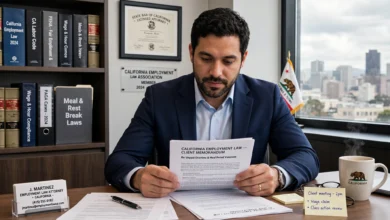
Melbourne Employment Attorneys: Fair Work Commission Claims
Melbourne employment attorneys explain how Fair Work Commission claims work, what your rights are, and how to build a strong case.

If you’ve lost your job, been treated unfairly at work, or you’re stuck in a pay dispute with your employer, you’ve probably heard the name Fair Work Commission thrown around more than once. It’s the body that hears most workplace disputes in Australia, and for anyone in Victoria, working with experienced Melbourne employment attorneys is often the difference between a claim that goes nowhere and one that actually gets resolved in your favor.
This isn’t a small thing. Employment law is full of deadlines, technical definitions, and procedural traps that catch out people who try to go it alone. A single missed date, like the 21-day window to lodge an unfair dismissal application, can end a valid claim before it even starts. That’s the kind of detail a good employment lawyer in Melbourne catches automatically, but someone unfamiliar with the process might not even know exists.
In this guide, we’ll walk through what the Fair Work Commission actually does, the main types of claims it handles, how the process works from start to finish, and what to look for when choosing legal representation. Whether you’re dealing with a dismissal, a bullying complaint, or an underpayment issue, understanding your options is the first step toward getting a fair outcome.
What Does a Melbourne Employment Attorney Do?
A Melbourne employment attorney (more commonly called an employment lawyer in Australia) represents employees or employers in workplace disputes. Their work covers a lot more ground than just courtroom appearances. Most of what they do happens before any hearing takes place.
Typical work includes:
- Reviewing employment contracts and workplace policies
- Advising on whether a dismissal was harsh, unjust, or unreasonable
- Preparing and lodging applications with the Fair Work Commission
- Negotiating settlements during conciliation
- Representing clients at conciliation conferences and hearings
- Advising on general protections, discrimination, and adverse action claims
- Assisting with wage theft and underpayment recovery
Some lawyers work exclusively for employees, some only act for businesses, and others take on both sides depending on the matter. If you’re an employee bringing a claim, you’ll want someone who spends most of their practice on the employee side of these disputes, since they’ll be more familiar with the arguments that tend to succeed and the pitfalls that tend to sink a case.
Understanding the Fair Work Commission
The Fair Work Commission (FWC) is Australia’s national workplace relations tribunal. It was established under the Fair Work Act 2009 and handles a wide range of employment matters, from unfair dismissal to enterprise bargaining disputes. If you’re not familiar with how it operates, it can feel like an intimidating process, but its structure is actually designed to be more accessible than a regular court.
Role of the FWC in Employment Disputes
The Commission’s main jobs include:
- Hearing and resolving unfair dismissal applications
- Dealing with general protections and adverse action claims
- Investigating workplace bullying complaints
- Setting and reviewing minimum wages and modern awards
- Approving enterprise agreements
- Resolving industrial disputes between employers and unions
One thing that surprises a lot of people: the FWC isn’t a court in the traditional sense. It leans heavily on conciliation, meaning it tries to help both sides reach an agreement before things escalate to a formal hearing. That’s actually good news for most employees, because it means many disputes get resolved faster and with less cost than going through the Federal Circuit Court. You can read more about how the Commission operates directly on the Fair Work Commission’s official website, which lays out current forms, timeframes, and case outcomes.


Common Types of Fair Work Commission Claims
Not every workplace issue falls under the same category. The type of claim you lodge depends heavily on what actually happened, so it’s worth understanding the differences before you file anything.
Unfair Dismissal Claims
This is probably the most well-known type of Fair Work Commission claim. It applies when an employee believes their dismissal was harsh, unjust, or unreasonable. To be eligible, you generally need to have worked for your employer for at least six months (or twelve months if the business is a small business with fewer than 15 employees), and you must lodge your application within 21 days of the dismissal taking effect.
Key factors the Commission looks at include:
- Whether there was a valid reason for the dismissal
- Whether the employee was notified of the reason
- Whether the employee had a chance to respond
- Whether the dismissal process was procedurally fair
General Protections Claims
General protections claims (sometimes called adverse action claims) cover situations where an employee is dismissed or treated unfairly because they exercised a workplace right. This might include taking parental leave, making a complaint about pay, or being a union member. Unlike unfair dismissal claims, there’s no minimum employment period required, and the claim isn’t limited to just dismissals, it can cover demotions, cuts to hours, or other adverse treatment while someone is still employed.
Bullying Claims at Work
Workers who are being bullied at work can apply to the FWC for an order to stop the bullying. This claim is different from the others because it doesn’t require the person to have been dismissed. It’s meant to address ongoing, repeated unreasonable behavior that creates a risk to health and safety. The Commission can issue orders requiring the employer to change certain workplace practices, though it generally can’t award compensation for this type of claim.
Underpayment and Wage Claims
While the Fair Work Ombudsman typically handles wage recovery and underpayment investigations, employment lawyers often assist clients in pursuing these matters through the Federal Circuit Court or negotiating directly with employers. If you suspect you’ve been underpaid, checking your entitlements against the correct modern award is usually the first step, and the Fair Work Ombudsman provides free pay calculators and advice for exactly this purpose.
Why You Need a Melbourne Employment Attorney for FWC Claims
You’re technically allowed to represent yourself in front of the Fair Work Commission, and plenty of people do. But there are real reasons why hiring a Melbourne employment attorney tends to produce better outcomes.
Here’s what a lawyer brings to the table that’s hard to replicate on your own:
- Deadline management – Missing the 21-day window for unfair dismissal claims is one of the most common (and avoidable) reasons claims get thrown out.
- Evidence gathering – Knowing what documentation actually matters (emails, performance reviews, witness statements) and how to present it persuasively.
- Negotiation skill – Conciliation conferences move fast, and an experienced lawyer knows how to push for a fair settlement without giving away leverage.
- Legal argument – Understanding which sections of the Fair Work Act apply to your specific situation, and how similar cases have been decided in the past.
- Reduced stress – Going through a dismissal or workplace dispute is already emotionally draining. Having someone else manage the legal side takes a real weight off.
It’s also worth noting that Fair Work Commission proceedings generally discourage lawyers from attending conciliation conferences unless permission is granted, but your lawyer can still prepare you thoroughly beforehand and represent you at any formal hearing stage. This is one reason working with someone who understands FWC procedure specifically, rather than a general litigator, matters so much.
The Fair Work Commission Claims Process Explained
Knowing what to expect at each stage makes the whole experience less stressful. Here’s a general breakdown of how a typical claim moves through the system.
Step 1: Lodging Your Application
The process starts with filing an application, usually the F2 form for unfair dismissal or F8 for general protections claims. This needs to be done within the relevant time limit, and it must include a clear outline of what happened and why you believe your rights were breached. There’s also a filing fee, though it can be waived in cases of financial hardship.
Step 2: Conciliation
Most matters are first sent to a conciliation conference, either over the phone or in person. A conciliator (not a judge) helps both sides talk through the issue and try to reach a resolution. A large percentage of cases settle at this stage, often through a financial payment, a reference letter, or another agreed outcome. This is usually the fastest and least expensive way to resolve a dispute.
Step 3: Hearing or Arbitration
If conciliation doesn’t resolve things, the matter can proceed to a formal hearing before a Commission Member. This is more like a court proceeding, involving witness evidence, cross-examination, and legal submissions. The Member then issues a binding decision. This stage takes considerably longer and involves more cost, which is exactly why having strong legal representation from the start matters, since a well-prepared case is more likely to settle early rather than dragging into arbitration.
How to Choose the Right Melbourne Employment Attorney
Not all lawyers are equally suited to Fair Work Commission matters. Here’s what to actually look for when picking someone to represent you.
- Specific FWC experience – Ask how many unfair dismissal or general protections claims they’ve personally handled, not just general employment law experience.
- Clear fee structure – Some lawyers work on a fixed fee for the early stages, others bill hourly, and some offer no-win-no-fee arrangements for certain claim types. Get this in writing upfront.
- Direct communication – You want someone who explains things in plain language, not someone who buries you in jargon.
- Local knowledge – A lawyer based in Melbourne will be familiar with the local Commission members, local hearing venues, and how matters typically move through the Victorian registry.
- Track record with settlements – Ask about their success rate at conciliation specifically, since that’s where most cases actually resolve.
A short consultation, even a free one, can tell you a lot. Pay attention to whether the lawyer takes time to actually understand your situation or just rushes you toward signing paperwork.
Costs Involved in Fair Work Commission Claims
Cost is one of the biggest concerns people have before starting a claim, and it’s a fair thing to worry about. Here’s a general idea of what to expect:
- Filing fee – A modest fee is required to lodge most applications, though fee waivers are available for those experiencing financial hardship.
- Legal fees – These vary widely depending on the lawyer and whether the matter settles at conciliation or proceeds to a hearing. Fixed-fee packages for the early stages are common.
- Cost orders – In most cases, each party pays their own legal costs regardless of outcome. However, the Commission can order costs against a party in limited circumstances, such as if a claim was clearly unreasonable or vexatious.
- No-win-no-fee options – Some Melbourne employment attorneys offer this arrangement for certain claim types, meaning you only pay if your case succeeds or settles favorably.
Because the “each party bears their own costs” rule generally applies, it’s usually far less risky to pursue a legitimate claim than people initially assume.
Tips to Strengthen Your Fair Work Commission Claim
Whether or not you hire a lawyer, there are practical steps that improve your chances of a good outcome.
- Keep records – Save emails, texts, performance reviews, and any written communication related to your employment and dismissal.
- Act quickly – Deadlines are strict. Don’t wait to seek advice if you think you have a claim.
- Write down what happened while it’s fresh – Memory fades, and a timeline written soon after the events will be more accurate and useful later.
- Avoid venting on social media – Public complaints about your employer can sometimes be used against you during proceedings.
- Get advice before agreeing to anything – If your employer offers a settlement or a deed of release, have a lawyer review it before you sign.
- Be honest and consistent – Contradicting your own statements is one of the fastest ways to undermine a claim’s credibility.
Small mistakes early on can have a big impact later, so it’s worth taking these steps seriously from day one.
Frequently Asked Questions
How long do I have to lodge an unfair dismissal claim? You generally have 21 days from the date your dismissal took effect to lodge your application with the Fair Work Commission.
Can I bring a claim if I resigned instead of being fired? In some cases, yes. If you were forced to resign because your employer made your position untenable, this may be treated as a “constructive dismissal,” which can still qualify as an unfair dismissal claim.
Do I need a lawyer to go through the Fair Work Commission? No, it’s not required, but given the strict deadlines and technical requirements, most people find that having experienced representation significantly improves their chances of a fair result.
What’s the difference between unfair dismissal and general protections claims? Unfair dismissal claims focus on whether a dismissal was harsh or unreasonable, while general protections claims focus on whether someone was dismissed or treated adversely because they exercised a legal workplace right.
Can the Fair Work Commission order my job back? Yes, reinstatement is one possible remedy, though compensation is more commonly awarded in practice.
Conclusion
Dealing with a workplace dispute is stressful enough without also trying to figure out complicated legal procedure on your own. Whether you’re facing an unfair dismissal, a general protections issue, workplace bullying, or an underpayment dispute, understanding how the Fair Work Commission works, and what deadlines and evidence actually matter, puts you in a much stronger position from the start.
Working with experienced Melbourne employment attorneys doesn’t just improve your odds of a favorable outcome, it also takes a lot of the guesswork and anxiety out of an already difficult situation. If you believe your rights at work have been breached, don’t wait until the deadline is nearly gone. Reach out for advice early, gather your documentation, and go into the process informed.