Melbourne Criminal Lawyers: Drug Offense Defense Strategies
Facing drug charges in Melbourne? Learn how experienced Melbourne criminal lawyers build strong drug offense defense strategies that protect your future.
Getting charged with a drug offence in Victoria is one of those moments that can turn your life upside down overnight. One minute you’re going about your day, the next you’re sitting in a police station wondering what happens next. If you’re in that position right now, you’re probably searching for Melbourne criminal lawyers who actually know how to fight these charges, not just process paperwork.
Here’s the thing most people don’t realise until they’re already in the system: not all drug charges are treated equally, and the difference between a conviction that follows you for life and a clean outcome often comes down to the strategy your lawyer builds in the first few days. Victoria’s drug laws are dense, technical, and full of thresholds and definitions that can make or break a case. A charge that looks like simple possession on the surface can quietly carry the weight of a trafficking allegation if the quantity or circumstances tip it that way.
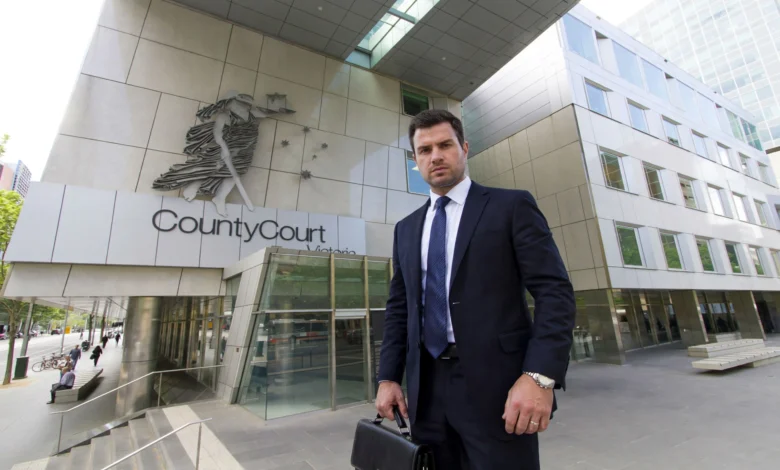
This article walks through how drug offense defense actually works in Melbourne courts, what strategies genuinely move the needle, and what you should be doing (and avoiding) from the moment police get involved. Whether you’re facing a minor possession matter in the Magistrates’ Court or something far more serious in the County Court, understanding your options is the first step toward protecting your record, your job, and your future.
Understanding Drug Offences in Victoria
Before diving into defence strategies, it helps to understand the legal framework that Melbourne criminal lawyers work within. Drug offences in Victoria fall under the Drugs, Poisons and Controlled Substances Act 1981 (Vic), often referred to as the DPCS Act. This legislation is the backbone of almost every drug prosecution in the state, and it covers everything from simple possession to cultivation, manufacture, and trafficking.
Under Section 73 of the Act, possessing a prohibited drug of dependence is a criminal offence. But possession is just one category. The law also criminalises:
- Use of a drug of dependence (actually consuming or administering the substance)
- Cultivation of narcotic plants, including cannabis, at various quantity thresholds
- Manufacturing or producing a drug of dependence
- Trafficking, which includes selling, preparing for sale, or possessing with intent to sell
- Possessing equipment or precursor chemicals used for drug manufacture or trafficking
The severity of a charge, and the court that hears it, largely depends on quantity thresholds set out in the Act. Victorian law distinguishes between small quantities, traffickable quantities, commercial quantities, and large commercial quantities. These aren’t arbitrary categories. Crossing from one threshold to the next can be the difference between a fine and a decade behind bars.
Why Quantity Thresholds Matter So Much
A drug offense defense strategy almost always starts with a hard look at the quantity involved, because the law treats quantity as a proxy for intent. If police find you with a small amount, the assumption tends to lean toward personal use. Cross into traffickable or commercial territory, and the law allows the prosecution to rely on a legal presumption that you intended to traffic, even without direct evidence of a sale.
For example, minor possession matters are generally dealt with in the Magistrates’ Court, while trafficking in a commercial quantity is heard in the County Court or even the Supreme Court of Victoria, where sentencing ranges are far more severe. This is why one of the very first things a competent Melbourne criminal lawyer does is scrutinise exactly how much of a substance was seized, how it was weighed, and whether the testing methodology holds up.
Common Drug Charges Melbourne Criminal Lawyers Handle
Understanding the specific charge you’re facing shapes everything that follows. Here are the categories most commonly seen in Victorian courts:


- Possession of a drug of dependence – having physical custody or control of an illegal substance, whether on your person, in your car, or in a property you control
- Use of a drug of dependence – evidence of consumption, sometimes proven through admissions or medical evidence
- Trafficking – selling, offering to sell, preparing for sale, or possessing for the purpose of sale
- Cultivation – growing cannabis or other narcotic plants, with penalties scaling based on plant count
- Drug driving offences – driving with the presence of an illicit drug in your system, a separate but related area of law
- Importation – a Commonwealth offence under the Criminal Code Act 1995, prosecuted federally rather than at state level
- Possessing equipment for trafficking – scales, bags, or other paraphernalia that can imply a commercial purpose even without direct sale evidence
Each of these charges requires a slightly different approach, which is why it’s worth working with lawyers who specialise specifically in drug matters rather than general practitioners who dabble in criminal law occasionally.
7 Proven Drug Offense Defense Strategies
This is the part most people searching for Melbourne criminal lawyers actually want to understand. Every case is different, but experienced defence teams tend to draw from a consistent toolkit of strategies depending on the facts.
1. Challenging Possession and Knowledge
One of the most frequently used defences is arguing that the drugs weren’t yours, or that you had no knowledge they were present. This comes up constantly in shared houses, rideshare vehicles, or situations involving multiple occupants. The prosecution has to prove exclusive possession or knowledge, and if several people had access to the same space, that burden becomes much harder to meet.
This defence works particularly well when:
- The drugs were found in a shared or communal area
- Multiple people had access to the vehicle or property
- There’s no forensic evidence (fingerprints, DNA) connecting you directly to the substance
- You can demonstrate you were unaware the item was in your bag, car, or home
2. Disputing the Legality of the Search
Police in Victoria need proper legal authority to search a person, vehicle, or property. If officers conducted a search without a valid warrant, without reasonable grounds, or outside the scope of their legal powers, any evidence obtained may be excluded from the case entirely. This is one of the most powerful tools in a drug offense defense arsenal because if the evidence gets excluded, the prosecution often has nothing left to rely on.
A skilled lawyer will examine:
- Whether police had reasonable grounds to stop or search you in the first place
- Whether the search complied with procedural requirements under Victorian law
- Whether consent to search was properly obtained (and whether it can even be relied upon)
- Whether any admissions were made before you were properly cautioned
3. Contesting Trafficking Presumptions
As mentioned earlier, quantity thresholds can trigger a legal presumption of trafficking even without direct evidence of a sale. But this presumption is rebuttable. A defence lawyer can present evidence that the quantity, while technically over the threshold, was still consistent with personal use, particularly for people with documented substance dependency issues.
Courts also look at circumstantial indicators the prosecution relies on to prove trafficking, such as:
- Presence of scales, small resealable bags, or cash in denominations consistent with sales
- Text messages or communications suggesting a sale arrangement
- The way the drug was packaged (bulk versus individually divided quantities)
If these indicators are absent or weak, arguing that the quantity reflects heavy personal use rather than commercial intent can be a genuinely effective strategy, especially when supported by medical or treatment records.
4. Exercising the Right to Silence
This isn’t so much a courtroom strategy as it is a foundational protection that shapes everything downstream. In Victoria, you have the right to remain silent, and you’re not required to answer police questions beyond confirming basic identifying details. Anything said in a record of interview can and will be used as evidence.
Too many drug charges get significantly harder to defend because someone tried to explain themselves to police without legal advice, inadvertently making admissions that undercut a defence that could otherwise have worked. If you’re ever approached for a record of interview, the strategy is simple: say nothing substantive until you’ve spoken with a lawyer.
5. Pursuing Diversion or Non-Conviction Outcomes
For first-time offenders facing minor possession or use charges, diversion programs offer a genuine path to avoiding a criminal record altogether. Victoria runs formal drug diversion pathways aimed at people charged with minor drug offences, and completing the program (which typically involves a clinical assessment and treatment engagement within a set timeframe) means no conviction is recorded and the matter doesn’t proceed through the courts.
Eligibility generally requires:
- The quantity involved being classified as a small quantity under the DPCS Act
- No excessive prior offending that would make a magistrate or police informant reluctant to support diversion
- Genuine willingness to engage with an assessment and treatment plan
- The police informant recommending diversion, with sergeant-level authorisation
Even outside formal diversion, courts can impose non-conviction orders in appropriate cases, meaning you plead guilty or are found guilty but avoid having a conviction permanently recorded against your name. This distinction matters enormously for future employment, travel, and professional licensing.
6. Negotiating Charges Before Trial
Not every case needs to go the distance. Skilled Melbourne criminal lawyers often negotiate directly with prosecutors to have charges downgraded, for instance from trafficking to possession, where the evidence for the more serious charge is genuinely shaky. This isn’t about cutting corners; it’s about being realistic when the prosecution’s case has weaknesses that a judge or jury might not accept beyond reasonable doubt.
Effective negotiation typically involves:
- A thorough review of the brief of evidence for inconsistencies or gaps
- Presenting mitigating material early, such as rehabilitation efforts or character references
- Demonstrating cooperation where appropriate, which can influence prosecutorial discretion
- Identifying procedural defects that weaken the Crown’s position
7. Building a Strong Plea in Mitigation
When a guilty plea is the realistic path forward, either because the evidence is overwhelming or because a plea deal has been reached, the work isn’t over. A well-prepared plea in mitigation can dramatically influence sentencing outcomes. This involves gathering references, treatment records, psychological reports, and evidence of steps already taken toward rehabilitation.
Courts in Victoria have shown, through sentencing data compiled by bodies like the Sentencing Advisory Council, that genuine rehabilitation efforts and a lack of prior offending history can shift outcomes toward community-based orders rather than imprisonment, particularly for possession and lower-level trafficking matters.
Penalties You Could Be Facing
Victorian drug penalties escalate sharply based on the type of offence and quantity involved. While specific dollar figures for penalty units change each financial year, the general framework looks roughly like this:
- Small quantity possession – often resolved through diversion, fines, or non-custodial penalties like a Community Correction Order
- Trafficking (non-commercial quantity) – substantial fines and up to 15 years imprisonment
- Trafficking to a person under 18 – increased penalties, reflecting the additional seriousness of involving minors
- Commercial quantity trafficking – heard in the County or Supreme Court, with maximum penalties extending to 25 years imprisonment
- Large commercial quantity trafficking – the most serious category, carrying a maximum penalty of life imprisonment
These figures underscore why early legal advice isn’t just helpful, it’s essential. The gap between a well-managed possession charge and a poorly handled trafficking allegation can be the difference between a fine and decades in custody.
What to Do Immediately After Being Charged
If you’ve just been charged with, or are being investigated for, a drug offence, the decisions you make in the first 24 to 48 hours matter enormously. Here’s a practical checklist:
- Don’t answer detailed questions without legal representation. Confirm your identity, then ask to speak with a lawyer before participating in any formal interview.
- Write down everything you remember about the search, seizure, and any conversations with police as soon as possible, while details are fresh.
- Avoid discussing your case on social media or with people outside your legal team. Anything said can potentially be used against you or complicate your defence.
- Gather supporting documentation early, including medical records if substance dependency is relevant, employment records, and character references.
- Contact experienced criminal lawyers who specialise in drug matters, not a general practice firm that handles the occasional drug case.
- Attend any scheduled court dates, since failing to appear can result in a warrant and additional charges entirely separate from the original matter.
Why Early Legal Advice Changes Everything
There’s a pattern that comes up again and again in Victorian drug cases: people who get legal advice within the first day or two of being charged tend to have significantly better outcomes than those who wait. This isn’t a coincidence. Early advice means:
- Evidence and witness accounts get reviewed while memories are fresh
- Diversion applications get lodged within required timeframes
- Procedural issues with searches or interviews get identified before they’re lost to time
- Bail applications, if needed, are prepared properly rather than rushed
Melbourne criminal lawyers who specialise in drug offences understand exactly what police need to prove, and more importantly, where those cases tend to fall apart. That specialised knowledge is what separates a strong defence from a guilty plea by default.
Choosing the Right Melbourne Criminal Lawyer for a Drug Charge
Not every criminal lawyer has deep experience in drug matters specifically. When you’re comparing options, it’s worth asking:
- How many drug cases has this lawyer or firm handled in the last 12 months?
- Do they have direct experience in the specific court your matter will be heard in (Magistrates’, County, or Supreme Court)?
- Are they familiar with diversion program eligibility and how to apply for it effectively?
- Can they point to outcomes in cases with similar quantities or circumstances to yours?
- Do they offer clear, upfront advice about realistic outcomes rather than vague reassurances?
A good lawyer will be upfront about the strengths and weaknesses of your case rather than promising an outcome they can’t guarantee. Drug law in Victoria genuinely is complicated and technical, and cases should be handled by lawyers with hands-on experience navigating that complexity, not lawyers learning the DPCS Act for the first time on your file.
Frequently Asked Questions
Can I avoid a criminal record for a drug charge in Victoria? Yes, in many cases. Diversion programs and non-conviction orders are both realistic pathways for first-time offenders facing minor possession or use charges, provided the quantity involved and your circumstances meet the relevant criteria.
What’s the difference between possession and trafficking? Possession refers to having control over a drug, generally for personal use. Trafficking involves selling, preparing to sell, or possessing with intent to sell. Quantity thresholds under the DPCS Act can trigger a legal presumption of trafficking even without direct sale evidence, which is why the quantity found is so critical to how a charge is framed.
Do I need a lawyer for a minor possession charge? While it’s not always legally mandatory, getting advice from an experienced drug defence lawyer is strongly recommended. Even minor charges carry the risk of a criminal conviction that can affect employment and travel, and a lawyer can help you understand whether diversion or a non-conviction outcome is available.
What happens if I stay silent during a police interview? Nothing negative happens purely because you exercised your right to silence. Victorian law entitles you to remain silent beyond confirming identifying details, and courts cannot treat silence itself as evidence of guilt.
Conclusion
Drug charges in Victoria carry real consequences, but they’re not automatically a life sentence to a ruined record or years behind bars. The outcome depends heavily on the specific facts of your case, the quantity and type of substance involved, how the evidence was gathered, and critically, the strategy your legal team builds from day one. From challenging unlawful searches and disputing trafficking presumptions to pursuing diversion programs and negotiating charges before trial, there are genuine, proven paths toward a better outcome.
If you’re facing a drug offence anywhere in Melbourne or across Victoria, the single most important thing you can do is get advice from experienced Melbourne criminal lawyers as early as possible, ideally before you say anything to police at all. The earlier a specialist gets involved, the more options remain on the table for protecting your record, your career, and your future.