California DUI Attorneys: DMV Hearings and License Suspension
California DUI attorneys explain the 10-day DMV deadline, hearing process, and real options for fighting license suspension.
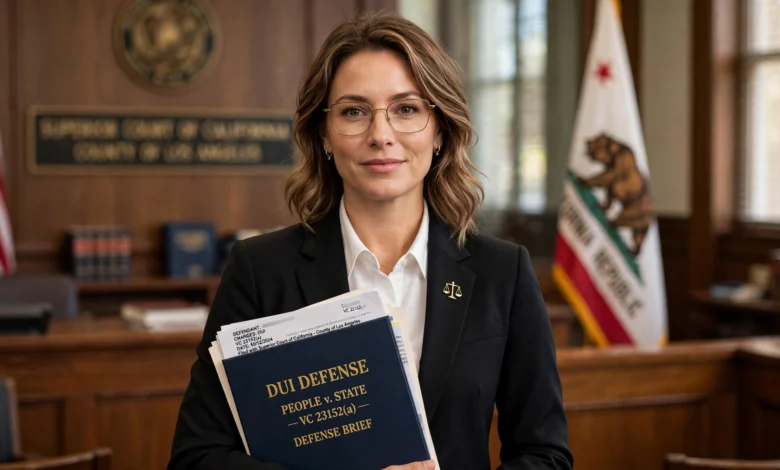
Getting arrested for DUI in California sets off two separate legal battles at once, and most drivers only know about one of them. There’s the criminal case that goes through court, and there’s a much faster, quieter process running in the background: the DMV hearing. Skip it, miss the deadline, or handle it wrong, and you could lose your driving privileges before your criminal case even gets a court date.
This is where a California DUI attorney becomes less of a luxury and more of a necessity. The DMV doesn’t work like a courtroom. There’s no jury, no formal rules of evidence, and the burden of proof is lower than what prosecutors need for a conviction. That imbalance catches a lot of people off guard.
This article walks through how the DMV hearing process works, what triggers an automatic license suspension, and the practical steps an experienced attorney takes to protect your ability to drive. Whether you’re facing your first DUI or dealing with a second offense, understanding this process in the first ten days after arrest can be the difference between keeping your license and starting over from scratch.
What Happens After a DUI Arrest in California
When a police officer arrests someone for driving under the influence in California, two things happen almost simultaneously. First, the officer typically confiscates the driver’s physical license and hands over a pink temporary license, known as the Notice of Suspension (form DS-367). Second, that paperwork starts a 30-day countdown before an automatic suspension takes effect, unless the driver requests a hearing.
Here’s the part that trips people up: the 10-day deadline to request a DMV hearing is separate from anything happening in criminal court. Miss it, and the suspension becomes automatic regardless of how the criminal case turns out.
The Two Separate Cases Explained
- Criminal case: Handled by the court system, decides guilt or innocence, and can result in fines, probation, or jail time.
- DMV administrative case: Handled entirely by the Department of Motor Vehicles, decides only whether your license gets suspended, and moves on its own timeline.
A DUI defense attorney familiar with both systems will often use information gathered in the DMV hearing to help build the criminal defense, and vice versa. They’re technically independent, but a skilled lawyer treats them as connected pieces of the same strategy.
Why the 10-Day DMV Deadline Matters So Much
This is arguably the single most important number in the entire process. Under California law, you have exactly 10 calendar days from the date of arrest to request an administrative per se (APS) hearing with the DMV. Not 10 business days. Ten calendar days, weekends and holidays included.
If that window closes without a request being filed, the automatic suspension goes into effect on day 30, and you lose the right to challenge it administratively. There’s no appeal for missing the deadline. This is why calling a California DUI lawyer immediately after release from custody matters more than most people realize.
What Requesting a Hearing Actually Does
- Pauses the automatic suspension while the case is pending.
- Preserves your right to drive (sometimes with restrictions) until the hearing concludes.
- Gives your attorney a formal opportunity to challenge the officer’s evidence before a hearing officer.
- Opens up access to police reports and chemical test records through discovery.
Without that request, none of this happens. The suspension simply proceeds on schedule.

Understanding the DMV Hearing Process
Unlike a courtroom trial, the DMV hearing is an informal, administrative proceeding. It’s usually conducted over the phone or, increasingly, held in person or by video depending on the local DMV office. There’s no judge and no jury. Instead, a DMV hearing officer who works for the same agency seeking the suspension both presides over the hearing and decides the outcome.
That dual role is one of the biggest criticisms of the system, and it’s exactly why representation matters. The hearing officer is not a neutral third party in the way a judge would be, which means a well-prepared DUI attorney needs to know how to challenge evidence within a system that isn’t structured to favor the driver.
Three Issues the Hearing Officer Must Decide
At every APS hearing, the hearing officer is required to answer three specific questions:
- Did the officer have reasonable cause to believe the driver was operating a vehicle under the influence?
- Was the driver lawfully arrested or detained?
- Was the driver operating a vehicle with a blood alcohol concentration (BAC) of 0.08% or higher (or 0.01% or higher for drivers under 21, or 0.04% or higher for commercial drivers)?
If the answer to any of these three questions is no, the suspension should not go forward. This is where a knowledgeable attorney focuses most of their effort, because even one weak link can be enough to win.
Common Defense Strategies Used at DMV Hearings
- Challenging the traffic stop itself — arguing the officer lacked legal justification to pull the driver over in the first place.
- Questioning breathalyzer or blood test accuracy — including calibration records, maintenance logs, and the certification of the testing device.
- Disputing officer observations — the reports used to justify “reasonable cause” are often handwritten and inconsistent under scrutiny.
- Requesting the arresting officer’s presence — officers frequently don’t show up to APS hearings, which can significantly weaken the DMV’s case.
- Reviewing title 17 compliance — California’s regulations for how blood and breath samples must be collected, stored, and tested.
An attorney who regularly handles these hearings knows which of these angles tends to work with a given hearing office, since practices can vary somewhat by county.
License Suspension Penalties in California
If the suspension isn’t successfully challenged, the length and terms depend heavily on whether it’s a first offense and whether the driver refused chemical testing.
First DUI Offense
- License suspension: Typically 4 months for a standard first offense.
- Restricted license: Often available after a short hard suspension period, allowing driving to work, school, and DUI programs, provided SR-22 insurance and enrollment in a state-licensed program are in place.
Repeat DUI Offenses
- Second offense within 10 years: Suspension of 1 year, with limited restricted license eligibility.
- Third offense within 10 years: Suspension of 2 years.
- Refusal to submit to testing: Adds a separate, harsher suspension period (1 year for a first refusal, longer for repeat refusals), regardless of the outcome of the underlying DUI charge.
These numbers are why so many drivers reach out to a California DUI attorney the same day they’re released. The financial and personal cost of losing a license, whether it’s missed work, childcare logistics, or a daily commute, often outweighs the cost of hiring representation early.
How a California DUI Attorney Helps at the DMV Hearing
A lot of people assume a lawyer’s job starts and ends in the courtroom. For DUI cases, that’s simply not true. Here’s what a competent DUI defense lawyer typically handles on the administrative side:
1. Filing the Hearing Request On Time
This sounds simple, but the request has to be submitted correctly and within the 10-day window. Attorneys often file this on the client’s behalf the same day they’re retained, sometimes within hours of the arrest.
2. Requesting and Reviewing Evidence
Attorneys can request copies of the arrest report, chemical test results, and the officer’s notes before the hearing. This discovery process often reveals inconsistencies that wouldn’t otherwise be visible to the driver.
3. Cross-Examining the Arresting Officer
If the officer is subpoenaed and appears, the attorney can question them directly about the stop, field sobriety tests, and how the chemical test was administered.
4. Negotiating a Restricted License
Even when a suspension can’t be fully avoided, attorneys frequently negotiate restricted driving privileges that let clients keep working and managing daily responsibilities.
5. Coordinating the DMV Case with the Criminal Case
Statements, evidence, and outcomes from one proceeding can affect the other. An attorney who manages both keeps the strategy consistent instead of working the two cases in isolation.
What Happens If You Lose the DMV Hearing
Losing an APS hearing doesn’t mean the fight is over. Drivers still have options:
- Restricted license application — even after a suspension is upheld, many drivers qualify for a restricted license after completing part of the mandatory hard suspension period.
- IID (ignition interlock device) programs — in several California counties, installing an IID allows earlier reinstatement of full driving privileges.
- Administrative appeal or writ — in limited circumstances, a formal legal challenge (a writ of mandate) can be filed in superior court against the DMV’s decision, though this route is more complex and time-sensitive.
A licensed attorney can walk through which of these paths realistically applies based on the specific facts of the case, prior record, and county-specific DMV practices.
Choosing the Right California DUI Attorney
Not every criminal defense lawyer regularly handles DMV administrative hearings, and the two require somewhat different skill sets. When evaluating a DUI attorney in California, consider asking:
- How many APS hearings have you personally handled in the past year?
- Do you request the arresting officer’s presence at hearings, and how often does that officer show up?
- What percentage of your caseload is specifically DUI-related?
- Will you personally handle both the DMV hearing and the criminal case, or are they assigned separately?
- What’s your approach to negotiating a restricted license if the suspension is upheld?
Straightforward answers to these questions tend to separate attorneys who treat DMV hearings as a formality from those who treat them as a real opportunity to protect a client’s license.
Frequently Asked Questions
Do I really need a lawyer for a DMV hearing, or can I represent myself? Drivers are allowed to represent themselves, but the process involves technical rules around evidence requests, subpoenas, and cross-examination that most people haven’t dealt with before. Given how quickly the 10-day deadline arrives, most drivers don’t have time to learn the process from scratch.
What if I already missed the 10-day deadline? Once the deadline passes, the automatic suspension typically proceeds. An attorney may still be able to explore limited exceptions or focus efforts on the criminal case and restricted license options after the suspension period begins.
Can the DMV suspend my license even if the criminal charges are dropped? Yes. Because the DMV case is administrative and separate from the criminal court, a dismissal of criminal charges does not automatically reverse or prevent a license suspension.
How long does a DMV hearing take? Hearings themselves are often relatively short, sometimes 30 minutes to an hour, but scheduling and receiving a written decision can take several weeks.
For official information on DUI-related license actions, drivers can review guidance directly from the California Department of Motor Vehicles and general impaired driving statistics from the National Highway Traffic Safety Administration.
Conclusion
A DUI arrest in California triggers a fast-moving administrative process that runs independently of the criminal court system, and the 10-day window to request a DMV hearing is one of the most consequential deadlines a driver will ever face. Understanding how the APS hearing works, what a hearing officer is legally required to decide, and what penalties apply to a license suspension gives drivers a clearer picture of what’s actually at stake.
Working with an experienced California DUI attorney early, ideally within days of the arrest, gives someone a real chance to challenge the evidence, negotiate a restricted license, and keep both the administrative and criminal cases working in their favor rather than against each other.