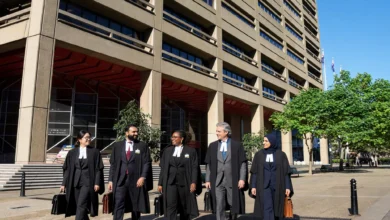
Brisbane Debt Recovery Lawyers: 7 Powerful Litigation Strategies for Successful Collections
Brisbane debt recovery lawyers guide businesses through demand letters, negotiation, and litigation to recover unpaid debts efficiently.
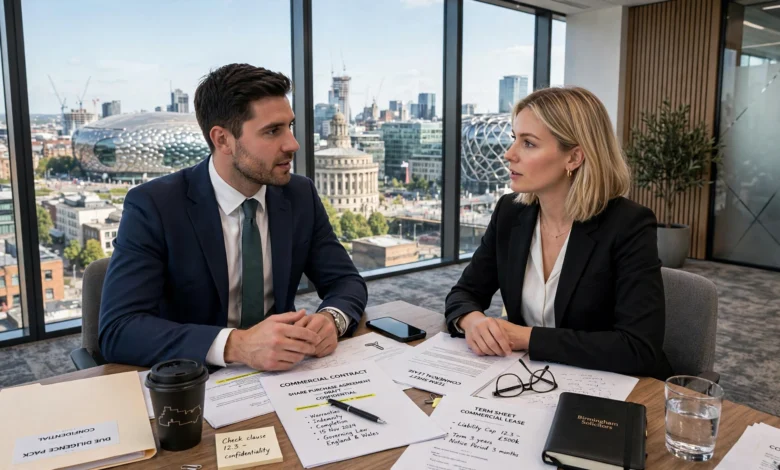
Brisbane debt recovery lawyers play a critical role for businesses and individuals trying to get paid what they’re owed. Unpaid invoices, defaulted loans, and broken payment agreements are more than an inconvenience. They tie up cash flow, strain client relationships, and in some cases threaten the survival of a small business. Chasing a debtor without proper legal guidance often ends in frustration, wasted time, or a claim that falls apart in court due to procedural mistakes.
This is where experienced litigation lawyers in Brisbane make a real difference. They understand the local court system, from the Queensland Civil and Administrative Tribunal (QCAT) to the Magistrates and District Courts, and know how to move a debt recovery matter forward without unnecessary delay or cost. A good lawyer doesn’t just file paperwork. They assess whether a debtor is worth pursuing, negotiate settlements where sensible, and escalate to litigation only when it’s the right call.
In this article, we’ll walk through how debt recovery litigation works in Brisbane, when it makes sense to bring in a lawyer, what the process actually looks like from demand letter to judgment, and how to choose the right legal team for your situation. Whether you’re a small business owner chasing a handful of overdue invoices or a company with a larger commercial dispute, understanding this process will help you make smarter decisions and recover money faster.
What Is Debt Recovery Litigation?
Debt recovery litigation is the legal process of pursuing a debtor through the court system when informal attempts to collect a debt have failed. It’s the formal, enforceable end of a process that usually starts much earlier with phone calls, emails, and letters of demand.
Brisbane litigation lawyers who specialise in debt recovery generally handle matters such as:
- Unpaid commercial invoices between businesses
- Personal loans that haven’t been repaid
- Breach of contract disputes involving money owed
- Unpaid rent or lease arrears
- Dishonoured cheques or failed payment plans
- Trade debts owed to suppliers or contractors
Litigation isn’t always the first step, and it shouldn’t be. Most reputable debt collection lawyers will try negotiation or a formal letter of demand first, since court proceedings cost time and money for both sides. But when a debtor refuses to engage or disputes the debt without genuine grounds, litigation becomes the only realistic path to recovery.
Why Businesses in Brisbane Need Specialist Debt Recovery Lawyers
Recovering a debt sounds simple on paper: someone owes you money, so you ask them to pay it. In practice, debtors delay, dispute, ignore correspondence, or simply don’t have the means to pay right away. Without a structured legal process behind you, it’s easy to lose momentum or, worse, lose the legal right to pursue the debt altogether due to limitation periods.
Here’s why engaging Brisbane debt recovery lawyers early tends to produce better outcomes:
1. They Know the Local Court Procedures
Queensland’s court system has specific rules about where a debt claim should be filed, depending on the amount owed. Minor debt claims under a certain threshold may go through QCAT, while larger claims proceed through the Magistrates Court or District Court. A lawyer familiar with these jurisdictions avoids filing errors that can delay a case by weeks or months.


2. They Improve the Odds of Early Settlement
A well-drafted letter of demand from a law firm carries more weight than one sent directly by a creditor. Debtors often respond faster once they realise a solicitor is involved, which can resolve the matter before it ever reaches a courtroom.
3. They Understand Cost-Benefit Analysis
Not every debt is worth pursuing through litigation. Experienced lawyers assess the debtor’s financial position, the strength of the evidence, and the likely legal costs before recommending court action. This protects clients from throwing good money after bad.
4. They Handle Enforcement After Judgment
Winning a court judgment doesn’t automatically mean the money lands in your account. Litigation lawyers in Brisbane know how to enforce judgments through mechanisms like enforcement warrants, garnishee orders, or bankruptcy and winding-up proceedings when necessary.
The Debt Recovery Process in Brisbane: Step by Step
Understanding the stages of debt recovery litigation helps set realistic expectations about timing and cost. Here’s how the process typically unfolds.
Step 1: Initial Assessment and Evidence Gathering
Before any formal action is taken, a debt recovery lawyer will review the underlying agreement, invoices, contracts, correspondence, and any evidence of the debt. This step matters because a claim is only as strong as the paper trail behind it.
Step 2: Letter of Demand
A formal letter of demand is usually the first legal step. It sets out:
- The amount owed
- The basis for the debt
- A clear deadline for payment
- The consequences of non-payment, including possible legal proceedings and cost consequences
Many debts are resolved at this stage, particularly when the debtor simply needs a firm reminder or has been avoiding the creditor rather than genuinely disputing the amount.
Step 3: Negotiation or Payment Arrangement
If the debtor responds but can’t pay in full immediately, debt collection lawyers Brisbane businesses use often negotiate a structured payment plan. This can be a faster and cheaper way to recover funds compared to litigation, provided the debtor is genuinely willing to pay.
Step 4: Filing a Claim
If negotiation fails, the next step is filing a claim in the appropriate court or tribunal. In Queensland, this generally means:
- QCAT for minor debt claims (usually up to $25,000)
- Magistrates Court for claims up to $150,000
- District Court for larger commercial debts
- Supreme Court for the most substantial or complex matters
Step 5: Default Judgment or Defended Hearing
If the debtor doesn’t respond to the claim within the required timeframe, the creditor can apply for default judgment, which is often faster than expected. If the debtor files a defence, the matter proceeds to a hearing where both sides present evidence.
Step 6: Enforcement
Once judgment is obtained, enforcement options in Queensland include:
- Enforcement warrants for the seizure of property
- Redirection of earnings (garnishee orders)
- Charging orders over land or shares
- Bankruptcy notices for individuals
- Statutory demands and winding-up applications for companies
An experienced legal team will advise which enforcement method is most likely to succeed based on the debtor’s known assets and circumstances.
Choosing the Right Brisbane Litigation Lawyers for Debt Recovery
Not all law firms handle debt recovery the same way, and picking the right one affects both your costs and your chances of actually getting paid. Here’s what to look for.
Experience With Commercial and Personal Debt Matters
Ask whether the firm regularly handles matters similar to yours, whether that’s a commercial trade debt, a loan dispute, or lease arrears. Firms with a dedicated debt recovery or commercial litigation team tend to move faster because they have established processes.
Transparent Fee Structures
Debt recovery costs can escalate quickly if a matter becomes defended and drawn out. Reputable Brisbane litigation lawyers will explain fee structures upfront, including whether they charge hourly rates, fixed fees for early-stage work like demand letters, or a mix of both.
A Pragmatic, Not Purely Adversarial, Approach
The best debt recovery lawyers aren’t the ones who rush every matter to court. They know when negotiation or mediation will get a better outcome faster and cheaper than litigation, and they’ll tell you honestly when a debt isn’t commercially worth pursuing.
Strong Communication
You should be kept informed at each stage, particularly around key decisions like whether to escalate to litigation or accept a settlement offer. A firm that goes quiet for weeks at a time isn’t the right fit for a time-sensitive debt matter.
Alternatives to Litigation Worth Considering
Litigation should generally be a last resort rather than a first move, both because of cost and because it can permanently damage a business relationship. Some alternatives include:
- Mediation: A neutral third party helps both sides reach a voluntary agreement, often faster and cheaper than court.
- Payment plans: Structured, legally documented repayment arrangements that avoid the need for court action altogether.
- Statutory demands: For company debts over the statutory threshold, a statutory demand under the Corporations Act can pressure a debtor to pay or risk being wound up, without needing a full court hearing.
- Debt assignment or sale: In some cases, selling the debt to a collections agency may make sense if the amount owed doesn’t justify legal costs.
A good lawyer will walk through these options with you before recommending full litigation, since the goal is recovering money, not simply winning a court case.
How Much Does Debt Recovery Litigation Cost in Brisbane?
Costs vary significantly depending on whether the matter is resolved early or contested through a full hearing. As a general guide:
- Letter of demand: Often a fixed, relatively low-cost fee.
- Filing an uncontested claim: Moderate cost, particularly if the matter proceeds to default judgment.
- Defended proceedings: The most expensive stage, involving pleadings, disclosure, and hearing preparation.
- Enforcement action: Additional costs apply if a judgment needs to be enforced through warrants or other mechanisms.
Queensland courts generally allow a successful party to recover a portion of their legal costs from the debtor, which is worth factoring into the overall cost-benefit analysis. For detailed information on court fees and procedures, the Queensland Courts website provides current guidance on filing debt claims and applicable fee schedules.
Common Mistakes Businesses Make When Chasing Debts
Even well-run businesses fall into avoidable traps when trying to recover money without proper legal guidance:
- Waiting too long to act: Limitation periods in Queensland generally restrict how long you have to bring a claim, so delays can permanently forfeit the right to recover a debt.
- Sending inconsistent or informal demands: Casual reminder emails rarely carry the same weight as a properly drafted letter of demand.
- Skipping proper documentation: Verbal agreements and undocumented invoices are far harder to prove in court.
- Pursuing debtors with no realistic capacity to pay: Legal action against an insolvent debtor can result in wasted legal fees with no recovery.
- Not seeking legal advice early: Many disputes escalate unnecessarily because the creditor didn’t get advice on the best approach from the outset.
Frequently Asked Questions
How long does debt recovery litigation take in Brisbane? Uncontested matters can resolve in a matter of weeks through default judgment. Defended matters can take several months to over a year, depending on court backlogs and the complexity of the dispute.
Can I recover legal costs if I win? In many cases, yes. Queensland courts often allow a successful creditor to recover a portion of their legal fees, though this depends on the court, the amount claimed, and the specific circumstances.
What happens if the debtor has no money? A lawyer will typically conduct asset searches before recommending litigation. If a debtor genuinely has no assets or income, pursuing court action may not be commercially sensible regardless of how strong the legal claim is.
Do I need a lawyer for a small debt? For very small debts, QCAT is designed to be accessible without legal representation. For anything involving a disputed amount, a contract dispute, or a debtor who is likely to fight the claim, legal advice is strongly recommended.
What’s the difference between debt recovery and debt collection? Debt collection generally refers to informal or agency-based attempts to recover money, while debt recovery litigation refers specifically to the formal legal process through courts and tribunals when informal methods fail. For general consumer guidance on dealing with debt collectors and your rights, the Australian Competition and Consumer Commission publishes helpful resources on fair debt collection practices.
Conclusion
Recovering unpaid debts doesn’t have to mean years of frustration or accepting a loss on money you’re rightfully owed. Brisbane debt recovery lawyers bring structure, leverage, and legal knowledge to a process that can otherwise drag on indefinitely, starting with a firm letter of demand, moving through negotiation where appropriate, and escalating to litigation and enforcement only when necessary.
By understanding how the process works in Queensland’s courts, choosing a law firm with genuine debt recovery experience, and acting before limitation periods close the door on a claim, businesses and individuals put themselves in the strongest possible position to get paid. If you’re facing an unpaid debt that hasn’t responded to informal follow-up, speaking with an experienced litigation lawyer early is usually the difference between a quick recovery and a drawn-out, costly dispute.