New York Litigation Attorneys: Fraud and Misrepresentation Cases
New York fraud and misrepresentation attorneys explain how these claims work, what courts require, and how litigation typically unfolds.
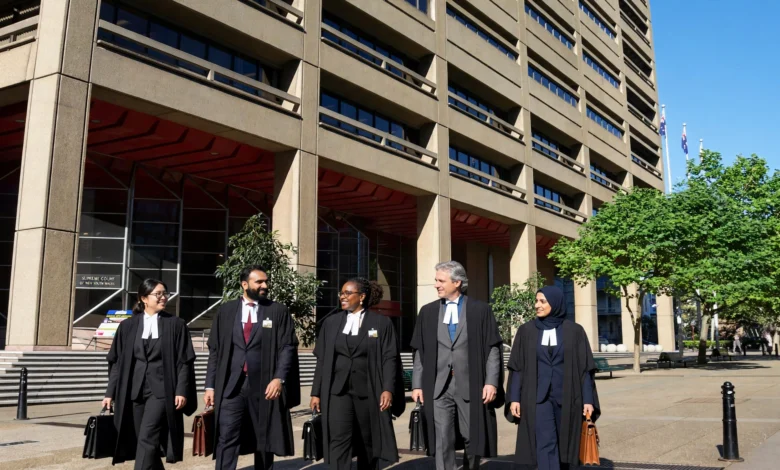
New York fraud and misrepresentation attorneys handle some of the most fact-heavy, document-intensive cases in civil litigation. Whether the dispute involves a business deal gone wrong, a real estate closing built on false statements, or an investment pitch that turned out to be hollow, these cases hinge on proving that someone knew a statement was false and used it to cause harm. That’s a higher bar than most people expect, and it’s why the right legal team matters so much.
If you’re dealing with a situation where you were misled into signing a contract, investing money, or making a major financial decision, you’re probably wondering whether what happened to you actually counts as fraud under New York law, or something closer to a broken promise or an honest mistake. The line between the two isn’t always obvious, and getting it wrong can sink a case before it starts.
This article walks through how New York litigation attorneys approach fraud and misrepresentation claims: what the law requires, the most common fact patterns that show up in court, how the litigation process actually unfolds, and what to look for when you’re choosing someone to represent you. The goal is to give you a realistic, ground-level view of these cases, not a glossy overview that skips the hard parts.
Understanding Fraud and Misrepresentation Under New York Law
New York courts treat fraud as a serious, intentional wrong, and they hold plaintiffs to a strict standard when pleading and proving it. This isn’t a claim you can bring just because a deal didn’t work out the way you hoped. New York litigation attorneys know that judges routinely dismiss fraud claims that read more like disappointment than deception.
Fraud vs. Negligent Misrepresentation
These two claims often get lumped together, but they’re legally distinct, and the difference affects both strategy and damages.
- Fraud (intentional misrepresentation) requires proof that the defendant knew a statement was false, or made it with reckless disregard for the truth, and intended for the plaintiff to rely on it.
- Negligent misrepresentation applies when someone carelessly provided false information, usually within a relationship where they owed a duty of care, such as an accountant, appraiser, or financial advisor.
Fraud claims can open the door to punitive damages in certain cases. Negligent misrepresentation generally cannot. That distinction alone often shapes which theory an attorney chooses to pursue, or whether both get pled in the alternative.
Elements a Plaintiff Must Prove
To win a fraud and misrepresentation case in New York, a plaintiff generally has to establish:
- A material misrepresentation of fact (not opinion or future prediction)
- Knowledge that the statement was false, or reckless disregard for its truth
- An intent to induce the plaintiff to rely on the statement
- Justifiable reliance by the plaintiff
- Damages resulting directly from that reliance
Every one of these elements has to be supported with specific, particularized facts. New York’s pleading rules (CPLR 3016(b)) require fraud to be stated “in detail,” which means vague allegations get thrown out early. This is one of the biggest reasons people hire New York litigation attorneys rather than trying to draft a fraud complaint themselves. For a closer look at how courts interpret these pleading standards, the New York State Unified Court System publishes helpful background on civil procedure in New York courts.
Common Types of Fraud and Misrepresentation Cases in New York
Fraud shows up across nearly every industry, but a handful of fact patterns dominate the caseloads of most New York litigation attorneys.


Business and Contract Fraud
This is one of the most frequent categories. It typically involves:
- False financial statements used to secure a business loan or investment
- Misrepresenting the value, condition, or ownership of a company being sold
- Concealing known liabilities during merger or acquisition negotiations
- Inducing a partner or investor into a deal based on fabricated projections
Business fraud cases are often layered on top of a breach of contract claim, which creates strategic questions about whether to pursue both theories or focus on the one with stronger facts.
Real Estate Misrepresentation
New York’s real estate market generates a steady stream of litigation, particularly around:
- Sellers or brokers concealing structural defects, water damage, or code violations
- False statements about zoning, permitted use, or property boundaries
- Misrepresented rental income figures on investment properties
- Title issues that were known but not disclosed before closing
These cases often turn on documentation: disclosure forms, inspection reports, email exchanges, and closing statements are usually the backbone of the evidence.
Securities and Investment Fraud
Investment fraud claims can involve individual brokers, investment advisors, or entire schemes built around fabricated returns. New York attorneys in this space frequently coordinate with regulatory findings from bodies like the U.S. Securities and Exchange Commission, which maintains public enforcement actions and investor alerts that can support or corroborate a private lawsuit.
Insurance Fraud
This category cuts both ways. Policyholders sometimes claim an insurer misrepresented coverage terms to avoid paying a legitimate claim, while insurers pursue fraud claims against policyholders who inflate or fabricate losses.
Why You Need Experienced New York Litigation Attorneys
Fraud cases aren’t won on emotion or a compelling personal story. They’re won on documents, timelines, and the ability to show a pattern of knowing deception. That’s where experienced counsel earns their fee.
Navigating Complex Evidence and Discovery
Proving intent is the hardest part of any fraud case, since defendants rarely admit they knew something was false. New York litigation attorneys build these cases through:
- Email and text message threads showing internal knowledge of the truth
- Financial records that contradict public statements
- Witness testimony from employees, brokers, or third parties involved in the transaction
- Expert analysis on valuations, appraisals, or industry standards
Discovery in fraud cases tends to be extensive, and defendants often fight document production aggressively, which makes procedural skill just as important as trial skill.
Statute of Limitations Considerations
New York gives plaintiffs six years from the date of the fraud, or two years from when the fraud was discovered or reasonably should have been discovered, whichever comes later. That discovery rule sounds generous, but courts apply it narrowly, and waiting too long to consult an attorney can quietly eliminate an otherwise strong claim.
The Litigation Process for Fraud Claims in New York
Understanding the general arc of a case helps set realistic expectations from the start.
Filing the Complaint
The complaint has to lay out the fraud with specificity, as discussed above. A poorly drafted complaint invites an early motion to dismiss, which can add months of delay even in cases with strong underlying facts.
Discovery and Depositions
Once the case survives the pleading stage, both sides exchange documents and take depositions. In fraud cases, depositions of the people who made the alleged false statements are often the turning point, since inconsistent testimony can be devastating to a defense.
Trial or Settlement
Most civil fraud cases settle before trial, but the strength of a plaintiff’s discovery record heavily influences settlement leverage. A well-documented fraud case with clear evidence of intent tends to resolve faster and for better terms than one built on circumstantial inference.
Defenses Commonly Raised in Fraud Cases
Defendants and their counsel typically respond with one or more of the following:
- Opinion, not fact: arguing the statement in question was a prediction, sales talk, or subjective opinion rather than a factual claim
- No justifiable reliance: asserting the plaintiff had access to information that should have revealed the truth
- Merger clauses: pointing to contract language stating the agreement represents the entire understanding between the parties, which can (though doesn’t always) bar reliance on prior statements
- Lack of intent: claiming the false statement was an honest mistake, not a knowing misrepresentation
A skilled plaintiff’s attorney anticipates these defenses well before filing and builds the record to counter them.
How to Choose the Right New York Litigation Attorney
Not every litigator handles fraud cases regularly, and the ones who do tend to approach a case very differently from general practice attorneys. When evaluating counsel, consider:
- Track record with fraud and misrepresentation claims specifically, not just general commercial litigation
- Comfort with document-heavy discovery, since these cases often involve thousands of pages of financial and business records
- Willingness to go to trial, because defendants negotiate harder when they believe the other side won’t actually try the case
- Clear communication about cost, since fraud litigation can run long and expensive, and you deserve an honest estimate up front
- Experience with your specific fact pattern, whether that’s real estate, securities, business transactions, or insurance disputes
A short consultation is usually enough to tell whether an attorney has genuine experience in this area or is speaking in generalities.
Recent Trends in Fraud Litigation
A few patterns have become more common in New York fraud litigation in recent years:
- Increased use of digital forensics to recover deleted communications relevant to intent
- More cases involving cryptocurrency and digital asset misrepresentation
- Greater scrutiny of AI-generated marketing claims and financial projections
- Courts continuing to enforce strict pleading standards, which keeps weak claims out but rewards well-prepared plaintiffs
Staying current on these shifts is part of why ongoing litigation experience matters more than a general legal background.
Conclusion
Fraud and misrepresentation cases in New York demand more than a strong sense that something wrong happened. They require proof of a knowing false statement, intent to deceive, justified reliance, and real damages, all supported by specific facts rather than general suspicion.
Whether the dispute involves a business deal, a real estate closing, an investment, or an insurance claim, the strength of the case usually comes down to documentation and the skill of the attorney building the record. Working with experienced New York litigation attorneys early, ideally before key evidence disappears or deadlines pass, gives a fraud claim the best chance of holding up in court and reaching a fair result.