Florida Workers Compensation Law: Third-Party Injury Claims
Florida Workers Compensation Law explained: learn how third-party injury claims work, who can be sued, and how to protect your recovery.
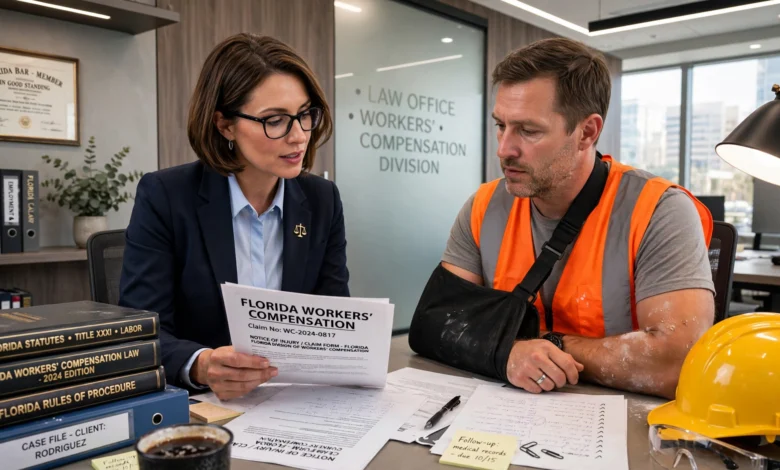
Florida Workers Compensation Law covers a lot of ground, but one area trips people up more than almost any other: what happens when someone besides your employer is responsible for your injury. If you got hurt on the job because of a careless driver, a defective piece of equipment, or a subcontractor who wasn’t paying attention, you might have more than one path to compensation. That second path is called a third-party injury claim, and it can mean the difference between a modest workers’ comp check and a settlement that actually covers what you lost.
Most injured workers in Florida don’t realize they can pursue both a workers’ compensation claim and a personal injury lawsuit at the same time, against two different parties, for the same accident. Workers’ comp is a no-fault system that pays medical bills and a portion of lost wages no matter who caused the injury, but it doesn’t pay for pain and suffering, and it caps how much you can recover. A third-party claim fills that gap, but it comes with its own rules, deadlines, and a wrinkle most people never see coming: your employer’s insurance carrier gets first pick of the proceeds.
This article breaks down how Florida workers compensation third-party claims actually work, who typically ends up liable, how the workers’ comp lien affects your settlement, and what steps protect your case from the moment the accident happens.
What Is a Third-Party Injury Claim Under Florida Workers Compensation Law
Under Florida Workers Compensation Law, when you’re injured at work, you’re generally entitled to workers’ comp benefits regardless of fault. In exchange, you give up the right to sue your employer directly in most circumstances. This trade-off is the backbone of the whole system, and it’s known as the “exclusive remedy” rule.
But that trade-off only applies to your employer and, in most cases, your co-workers. It does not apply to outside parties whose negligence contributed to your injury. When someone who isn’t your employer causes or contributes to a workplace accident, you can file a separate personal injury lawsuit against that person or company. This is what’s known as a third-party claim, and it runs on a completely different legal track than your workers’ comp case.
The reason this matters so much is compensation. Florida workers’ compensation benefits are limited by statute. You get medical treatment, a percentage of your average weekly wage while you’re out of work, and payments for permanent impairment if applicable. What you don’t get through workers’ comp is compensation for pain and suffering, loss of enjoyment of life, or full lost earning capacity. A third-party lawsuit opens the door to those additional damages, which is often where the real financial recovery happens.
Common Scenarios That Lead to Third-Party Claims
Not every workplace injury involves a third party, but they come up more often than people expect. Some of the most frequent situations include:
- Motor vehicle accidents — You’re driving for work, making a delivery, or traveling between job sites, and another driver hits you.
- Defective equipment or products — A tool, machine, or piece of safety equipment fails because of a manufacturing or design defect.
- Negligent property owners — You’re injured on a client’s or third party’s premises due to a hazard they failed to fix, such as a wet floor, faulty scaffolding, or a broken staircase.
- Subcontractor negligence on construction sites — You work for one company, but a different contractor’s careless work causes your injury.
- Toxic exposure caused by another company — Chemicals or hazardous materials from a neighboring business or supplier cause harm.
- Assault by a non-employee — A customer, delivery driver, or stranger physically attacks you while you’re working.
In each of these examples, your employer’s workers’ comp insurance still covers your immediate medical bills and wage replacement. Separately, you may have grounds to pursue the at-fault third party for the rest.
The Workers’ Compensation Lien and Subrogation Rights (Fla. Stat. 440.39)
This is the part of Florida Workers Compensation Law that catches injured workers off guard. When you accept workers’ comp benefits and later recover money from a third-party lawsuit or settlement, your employer’s insurance carrier doesn’t just walk away. Florida law gives the carrier a subrogation lien on your third-party recovery.


Under Florida Statutes Section 440.39, if an employee is injured by the negligence of a third-party tortfeasor, the injured worker can accept workers’ comp benefits and separately pursue a legal claim against that third party. But because the carrier already paid out benefits related to the same injury, the statute allows the carrier to be subrogated to the employee’s rights against the third party, up to the amount of benefits paid.
How the Lien Works in Practice
Here’s the general sequence:
- You get hurt at work due to a third party’s negligence.
- You file a workers’ comp claim, and the carrier starts paying medical bills and wage-loss benefits.
- You also pursue a personal injury claim against the third party.
- If you win a settlement or judgment in the third-party case, the workers’ comp carrier is entitled to reimbursement from that recovery for the benefits it already paid.
- Florida law provides formulas and offsets (including a reduction for your attorney’s fees and costs) that determine exactly how much the carrier can recover.
The lien doesn’t mean you get nothing. Florida courts and the statute itself build in protections so the carrier’s share is proportionate and doesn’t unfairly swallow your entire settlement. Still, this is one of the most misunderstood parts of a third-party workers compensation claim, and it’s a major reason to have an attorney review any settlement before you sign off on it.
The Employer/Carrier’s Duty to Cooperate
Florida law doesn’t just give the carrier a lien and leave you to fend for yourself. Under section 440.39(7), the employer and carrier have what courts have called a “duty to cooperate” in pursuing the third-party claim. If the carrier drags its feet or refuses to assist, that failure can actually reduce how much of your settlement it’s entitled to recover, at the court’s discretion. This gives injured workers some leverage when a carrier isn’t playing fair during the third-party litigation process.
Steps to Take After a Workplace Injury Caused by a Third Party
What you do in the days and weeks after the accident has a real impact on both your workers’ comp claim and any third-party case. Consider the following steps:
- Report the injury to your employer immediately. Florida requires prompt notice, generally within 30 days, to preserve your workers’ comp benefits.
- Seek medical treatment right away and follow through with all recommended care. Gaps in treatment can hurt both claims.
- Document everything. Take photos of the scene, the equipment, or the vehicle involved. Get names and contact information for witnesses.
- Avoid giving recorded statements to the third party’s insurance company without speaking to an attorney first.
- Don’t sign any settlement or release related to the third-party claim without understanding how it affects your workers’ comp lien.
- Keep records of all expenses and lost income, since these matter for both the workers’ comp claim and any personal injury damages.
- Consult an attorney who handles both workers’ compensation and personal injury, since the two cases need to be coordinated rather than handled in isolation.
Statute of Limitations for Florida Third-Party Claims
Timing matters enormously in these cases, and the deadlines for a workers’ comp claim and a third-party claim are not the same.
- A workers’ compensation claim generally must be filed within two years of the accident or the last provision of benefits, though notice requirements start much sooner.
- A third-party personal injury claim in Florida generally must be filed within two years of the date of the accident under Florida’s negligence statute of limitations, though the clock and exceptions can vary depending on the type of claim (for example, product liability or claims against government entities have different rules).
- Separately, section 440.39(4)(a) gives the employer or carrier the right to step in and pursue the third-party claim itself if the injured employee hasn’t filed suit within one year of the cause of action accruing.
Missing any of these windows can permanently bar recovery, which is why it’s worth confirming the applicable deadline early rather than assuming you have plenty of time.
Comparative Negligence and Its Impact on Recovery
Florida follows a modified comparative negligence system for personal injury claims, which was significantly changed by legislation in 2023. Under current law, if you’re found more than 50% at fault for your own injury, you’re generally barred from recovering damages from the third party. If you’re 50% or less at fault, your damages are reduced by your percentage of fault.
This matters in workplace third-party claims because defense attorneys will often argue that the injured worker contributed to the accident, whether through their own actions or by not following safety protocols. Building a strong case with clear evidence of the third party’s negligence is essential to minimizing any comparative fault argument.
Can You Sue Your Employer Directly? Exceptions to Immunity
Generally, no. The exclusive remedy provision of Florida Workers Compensation Law shields employers from personal injury lawsuits brought by their own employees, even when the employer was negligent. This immunity is the trade-off for the no-fault benefits workers receive automatically.
That said, there are narrow exceptions where an employee may be able to sue an employer outside the workers’ comp system, including:
- The employer intentionally caused the injury or engaged in conduct substantially certain to cause harm.
- The employer failed to secure workers’ compensation insurance as required by law.
- A different, separate legal entity related to your employer (not your direct employer itself) was negligent, which can sometimes open the door to a third-party claim against a parent company, sister company, or contractor depending on the corporate structure and relationship.
These exceptions are fact-specific and litigated frequently, so they’re worth discussing with an attorney rather than assuming they apply.
What Damages Are Available in a Third-Party Claim
This is where a third-party injury claim really separates itself from a standard workers’ comp claim. Workers’ compensation benefits are limited to statutory categories, but a third-party personal injury lawsuit allows recovery of a broader range of damages, which can include:
- Full lost wages and lost earning capacity, not just the capped percentage paid through workers’ comp.
- Pain and suffering, which workers’ comp does not cover at all.
- Loss of enjoyment of life and diminished quality of life from a permanent injury.
- Full past and future medical expenses, beyond what’s covered by the workers’ comp fee schedule.
- Loss of consortium claims for a spouse, in certain cases.
- Punitive damages, in limited situations involving gross negligence or intentional misconduct.
Because these categories aren’t available through workers’ comp, the third-party claim is often the piece of the case that provides meaningful financial recovery after a serious injury.
Why You Need an Attorney for a Third-Party Workers Compensation Claim
Coordinating a workers’ comp claim with a third-party lawsuit is not a do-it-yourself project. A few reasons this combination is genuinely complicated:
- The subrogation lien calculation involves statutory formulas, deductions for fees and costs, and sometimes negotiation with the carrier.
- Settling the third-party case without addressing the lien properly can leave you owing money back to the workers’ comp carrier, or can jeopardize future benefits.
- Evidence gathered for the third-party claim, like accident reconstruction or product defect analysis, often needs to be handled differently than a standard workers’ comp file.
- Insurance companies on both sides have their own interests, and neither is looking out for your total recovery.
For general guidance on workplace safety standards that often come up as evidence in third-party negligence claims, the U.S. Department of Labor’s Occupational Safety and Health Administration publishes rules and resources that are frequently referenced in these cases.
Frequently Asked Questions
Can I collect workers’ comp and sue a third party for the same injury? Yes. Florida law explicitly allows an injured employee to accept workers’ comp benefits and pursue a separate claim against a negligent third party for the same accident.
Does my employer’s insurance carrier get part of my settlement? Often, yes, through the subrogation lien described in section 440.39. The exact amount depends on the benefits already paid, applicable offsets, and how the settlement is structured.
What if the third party is a co-worker? Co-worker immunity generally applies similarly to employer immunity, except in cases involving gross negligence or intentional acts, depending on the specific facts.
How long do I have to file a third-party lawsuit in Florida? Generally two years from the date of the injury for standard negligence claims, though this can vary by claim type, so confirming the deadline with an attorney is important.
Will pursuing a third-party claim affect my workers’ comp benefits? It shouldn’t reduce your ongoing medical or wage benefits directly, but any recovery from the third-party case will typically need to account for the workers’ comp lien.
Conclusion
Florida Workers Compensation Law gives injured employees a reliable, no-fault path to medical care and wage replacement, but it isn’t designed to make an injured worker whole after a serious accident caused by someone outside the workplace. When a third party, whether it’s a careless driver, a negligent property owner, or an equipment manufacturer, contributes to a workplace injury, Florida law allows the injured worker to pursue that party through a separate personal injury claim while still collecting workers’ comp benefits.
The catch is the subrogation lien under section 440.39, which gives the workers’ comp carrier a right to reimbursement from any third-party recovery, along with strict deadlines that can bar a claim if missed. Understanding how these two systems interact, and getting the right damages, deadlines, and lien calculations handled correctly, is what separates a workers’ comp payout from a full and fair recovery after a workplace accident involving a third party.