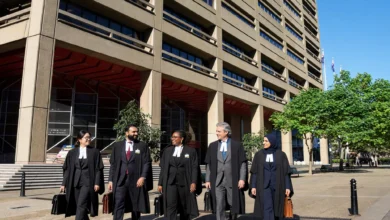
Civil Litigation Lawyers California: Contract Dispute Resolution
Civil litigation lawyers California help businesses resolve contract disputes through negotiation, mediation, arbitration, or lawsuit.

Civil litigation lawyers California businesses and individuals turn to are often the difference between a contract dispute dragging on for years and one that gets resolved in months. Contracts are the backbone of almost every business relationship, from vendor agreements to employment terms to real estate deals. When one party fails to hold up their end, the fallout can threaten cash flow, damage reputations, and stall growth. That’s where contract dispute resolution comes in, and why knowing how the process works matters even before you pick up the phone to call an attorney.
California has some of the most detailed civil procedure rules in the country, which means a dispute that seems simple on paper can quickly become tangled in deadlines, filing requirements, and evidentiary standards. A civil litigation lawyer who practices regularly in California courts understands these nuances and can steer a case toward the fastest, most cost-effective resolution, whether that’s a negotiated settlement, mediation, arbitration, or a full trial.
This article breaks down what contract disputes typically look like in California, how the resolution process unfolds step by step, what it costs, and how to choose the right attorney for your situation. Whether you’re a small business owner dealing with a breached vendor agreement or an individual fighting over a real estate contract, understanding your options puts you in a much stronger position to protect your interests.
Understanding Contract Disputes in California
A contract dispute happens when one party believes the other has failed to perform their obligations under an agreement, whether written, oral, or implied. California recognizes all three types of contracts as legally enforceable, though written contracts are far easier to prove in court.
Contract dispute resolution in California generally revolves around a few core legal questions: Did a valid contract exist? Did one party fail to perform as promised? Did that failure cause measurable harm? And what remedy, if any, does the law provide? Answering these questions accurately from the start shapes every decision that follows, including whether to negotiate, mediate, or litigate.
Common Causes of Contract Disputes
Most disputes that end up in front of civil litigation lawyers in California fall into a handful of recurring categories:
- Breach of contract – one party fails to deliver goods, services, or payment as agreed
- Misrepresentation or fraud – false statements made to induce someone into signing
- Ambiguous or poorly drafted terms – vague language that both sides interpret differently
- Failure to meet deadlines – missed delivery dates, payment schedules, or project milestones
- Non-payment disputes – a client or customer refusing to pay for completed work
- Disputes over contract termination – disagreements about whether a party had the right to end an agreement early
Each of these scenarios requires a different legal strategy, which is part of why working with an experienced attorney early on tends to save both time and money.
Why You Need Civil Litigation Lawyers California
Handling a contract dispute without legal representation is possible in small claims court, but for anything involving significant money, complex terms, or multiple parties, it’s a risky approach. Civil litigation lawyers California courts see regularly know the local rules, judges, and procedural quirks that can make or break a case.
What Civil Litigation Attorneys Do
A civil litigation attorney handling a contract matter typically:


- Reviews the contract, correspondence, and any supporting documents to assess the strength of your claim
- Calculates potential damages, including lost profits, repair costs, or other financial harm
- Sends demand letters to the opposing party outlining the dispute and requested resolution
- Represents you in settlement negotiations, mediation, or arbitration
- Files a lawsuit and manages every stage of civil litigation if the dispute can’t be resolved out of court
- Handles discovery, motions, depositions, and trial preparation
- Negotiates or litigates toward a judgment, settlement, or enforceable resolution
An experienced attorney also knows when not to litigate. Sometimes the smartest move is a quick settlement that avoids months of legal fees, and a good lawyer will tell you that even if it means less work for their firm.
The Contract Dispute Resolution Process
Contract dispute resolution in California typically moves through a series of stages, and most cases resolve before ever reaching a courtroom. Here’s what that process usually looks like.
Step 1: Reviewing the Contract and Evidence
Before anything else, your attorney will examine the actual contract language, along with emails, invoices, texts, and any other documentation that shows what was agreed upon and what went wrong. This step often reveals whether the contract includes a mandatory arbitration clause or a specific dispute resolution procedure that must be followed.
Step 2: Demand Letters and Negotiation
Many disputes resolve at this stage. A well-written demand letter, sent by an attorney, lays out the facts, the legal basis for the claim, and what resolution is being sought. It signals that you’re serious and prepared to escalate if necessary, which often motivates the other side to negotiate in good faith.
Step 3: Mediation
If direct negotiation stalls, mediation is often the next step. A neutral third-party mediator helps both sides communicate and work toward a mutually acceptable outcome. Mediation is non-binding, meaning either party can walk away if they don’t like where things are headed, but it’s frequently effective because it keeps control of the outcome in the hands of the parties rather than a judge.
Step 4: Arbitration
Many California contracts include an arbitration clause requiring disputes to go through binding arbitration instead of court. Arbitration resembles a simplified trial, with an arbitrator (or panel) reviewing evidence and issuing a decision that’s usually final and difficult to appeal. It tends to be faster and less expensive than a full civil lawsuit, though it also limits some of the procedural protections available in court.
Step 5: Filing a Civil Lawsuit
When negotiation, mediation, and arbitration aren’t available or don’t work, filing a civil lawsuit becomes necessary. In California, this process generally includes:
- Filing a complaint with the appropriate superior court
- Serving the defendant with legal notice of the lawsuit
- An answer or response from the defendant
- A discovery period where both sides exchange evidence and take depositions
- Pre-trial motions, including motions for summary judgment
- Settlement conferences, which courts often require before trial
- Trial, if the case doesn’t settle beforehand
- Judgment and, if necessary, enforcement of that judgment
According to the American Bar Association, the majority of civil cases in the United States settle before trial, and contract disputes are no exception. Still, having an attorney prepared to go the distance often strengthens your negotiating position throughout every earlier stage.
Choosing the Right Civil Litigation Lawyer in California
Not every attorney who practices civil law has deep experience in contract dispute resolution specifically. Finding the right fit matters just as much as finding someone with a law degree.
Questions to Ask Before Hiring
Before signing an engagement letter, consider asking a prospective attorney:
- How many contract dispute cases have you handled in California courts?
- What’s your approach to settlement versus litigation?
- What are your fee structures, hourly rates, or contingency arrangements?
- Do you have experience with the specific type of contract involved (commercial, employment, real estate, construction)?
- How do you communicate with clients throughout a case?
- What’s a realistic timeline for resolving a case like mine?
A lawyer who answers these questions clearly, without hedging or overpromising, is usually a good sign. Contract litigation can be unpredictable, and an honest attorney will tell you that upfront rather than guaranteeing an outcome.
Costs of Contract Dispute Litigation
Cost is often the biggest concern for anyone considering a lawsuit. Civil litigation lawyers California clients hire typically bill in one of a few ways:
- Hourly rates – common for complex commercial disputes, ranging widely depending on the attorney’s experience and location
- Flat fees – sometimes used for simpler matters like drafting a demand letter or handling a small claims filing
- Contingency fees – the attorney takes a percentage of any recovery, common in cases where damages are clear and significant
Beyond attorney fees, litigation costs can include court filing fees, deposition costs, expert witness fees, and costs associated with document production during discovery. This is one reason many attorneys push for early settlement or mediation when possible. It’s simply cheaper for everyone involved.
Alternatives to Litigation
Not every contract dispute needs to end up in a courtroom. Depending on the amount in dispute and the relationship between the parties, alternatives worth considering include:
- Small claims court – for disputes under California’s monetary threshold, currently capped at a set limit that changes periodically, this is a faster and cheaper option, though attorneys generally cannot represent parties in small claims proceedings
- Private mediation – hiring an independent mediator outside of court-ordered mediation
- Structured settlement negotiations – direct negotiation facilitated by attorneys without third-party involvement
- Contractual arbitration – if the original agreement calls for it
For general background on how contract law principles are applied and interpreted, resources like the Cornell Law School Legal Information Institute offer accessible explanations that can help you understand your rights before you even meet with an attorney.
How to Prevent Contract Disputes
While no contract is entirely dispute-proof, a few practices reduce the odds significantly:
- Use clear, specific language rather than vague terms open to interpretation
- Define deadlines, deliverables, and payment terms explicitly
- Include a dispute resolution clause specifying mediation or arbitration procedures
- Keep thorough records of all communications related to the contract
- Have an attorney review contracts before signing, especially for high-value agreements
- Revisit and update contract templates regularly to reflect changes in law or business practices
Taking these steps upfront won’t eliminate every disagreement, but it dramatically reduces the chances of a minor misunderstanding turning into a costly legal battle.
Conclusion
Contract disputes are a routine part of doing business, but how they’re handled makes all the difference between a quick resolution and a drawn-out legal fight. Civil litigation lawyers California individuals and businesses rely on bring the experience needed to evaluate a claim, pursue negotiation or mediation when it makes sense, and litigate effectively when it doesn’t.
Understanding the stages of contract dispute resolution, from demand letters through trial, along with the costs and alternatives available, puts you in a far better position to protect your interests and reach a fair outcome, whether that’s through a settlement, arbitration, or a courtroom verdict.