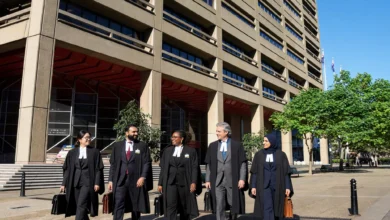
Birmingham Commercial Solicitors: Breach of Contract Claims
Facing a contract dispute? Birmingham commercial solicitors explain your rights, remedies, and next steps for breach of contract claims.
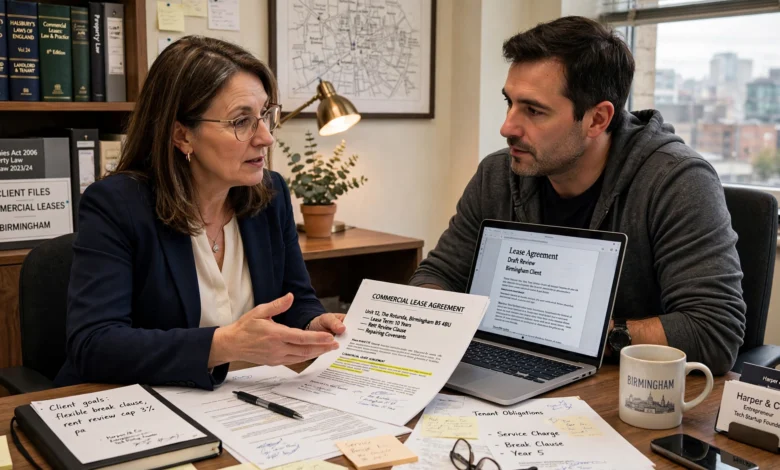
Running a business in Birmingham means relying on contracts every single day, whether it’s with suppliers, clients, contractors, or partners. When one of those agreements falls apart because the other side didn’t hold up their end of the deal, you’re left dealing with lost money, wasted time, and a business relationship you probably can’t trust anymore. That’s where breach of contract claims come into play, and it’s a situation more local businesses face than you might think.
Working with experienced Birmingham commercial solicitors can be the difference between recovering what you’re owed and watching a dispute drag on for months with no resolution. Contract law isn’t always straightforward. There are different types of breaches, various remedies, and strict time limits that can catch business owners off guard if they wait too long to act.
This guide walks through what counts as a breach of contract, the legal process involved in bringing a claim, what remedies you might be entitled to, and how to pick the right solicitor for your situation. Whether you’re a small business owner dealing with a supplier who didn’t deliver, or a larger company facing a partner who broke the terms of an agreement, understanding your options is the first step toward putting things right.
What Is a Breach of Contract Claim?
A breach of contract claim happens when one party to a legally binding agreement fails to fulfil their obligations as outlined in the contract, and the other party suffers loss as a result. This could mean anything from a supplier failing to deliver goods on time, to a business partner ignoring agreed payment terms, to a contractor doing substandard work.
For a valid contract to exist under English law, there generally needs to be:
- An offer made by one party
- Acceptance of that offer by the other party
- Consideration (something of value exchanged)
- An intention to create legal relations
- Certainty of terms
Once these elements are in place, both sides are legally bound to perform their part of the deal. If one side doesn’t, the other has grounds to bring a claim.
Breach of contract claims aren’t limited to written agreements either. Verbal contracts and even implied contracts, where terms are understood through conduct rather than explicit discussion, can also be enforced, though proving the terms of a verbal agreement is naturally harder than pointing to a signed document.
Common Types of Breach of Contract Cases in Birmingham
Not all breaches are created equal, and the type of breach affects what remedies are available to you. Birmingham commercial solicitors typically deal with three main categories.
Material Breach
A material breach is a significant failure that goes to the heart of the contract, essentially defeating its purpose. If a supplier was contracted to deliver a specific product and instead sends something completely different or fails to deliver at all, that’s a material breach. This type of breach usually gives the wronged party the right to terminate the contract and pursue damages.


Minor Breach
Sometimes called a partial breach, this occurs when someone fails to meet a smaller obligation within the contract but the overall agreement is still substantially performed. For example, a delivery arriving two days late when time wasn’t stated as being “of the essence” might be a minor breach. You can usually still claim for any loss caused, but you generally can’t terminate the whole contract over it.
Anticipatory Breach
This happens when one party clearly indicates, either through words or actions, that they don’t intend to fulfil their contractual obligations before the performance date arrives. If a contractor tells you outright they won’t be completing a project despite having a signed agreement, you don’t have to wait for the deadline to pass before taking action. You can treat this as a breach immediately and start pursuing your options.
Understanding which category your dispute falls into matters because it shapes your strategy and the strength of your claim from the outset.
Why Hire Birmingham Commercial Solicitors for Breach of Contract Claims
You might be tempted to handle a contract dispute on your own, especially if the amount involved seems manageable. But commercial contract disputes are rarely as simple as they first appear, and there are good reasons to bring in professional legal support early.
- They assess the strength of your claim honestly. A good solicitor won’t just tell you what you want to hear. They’ll look at the actual terms of the contract, the evidence available, and give you a realistic view of your chances.
- They know the correct legal process. Missing procedural steps, like following the Pre-Action Protocol properly, can weaken your position or even see your claim struck out.
- They can often resolve disputes without court. Many experienced solicitors focus first on negotiation or mediation, which saves both time and money compared to litigation.
- They understand local commercial context. Birmingham commercial solicitors who work regularly with businesses in the West Midlands understand the local business landscape, from manufacturing and logistics to retail and professional services, and how disputes typically play out in these sectors.
- They protect you from counterclaims. Sometimes the other party responds to a claim with one of their own. A solicitor helps you anticipate and prepare for this.
Trying to navigate a breach of contract claim without proper legal guidance often costs businesses more in the long run, either through missed deadlines, weak evidence, or accepting a settlement far below what they were actually owed.
The Legal Process for Breach of Contract Claims in the UK
If you’re considering a breach of contract claim, it helps to understand roughly what the process looks like from start to finish.
Pre-Action Protocol
Before any court proceedings begin, the Civil Procedure Rules require parties to follow a Pre-Action Protocol. This typically involves sending a formal letter before action, setting out the details of the claim, the loss suffered, and what remedy is being sought. The other party then has a set period, usually 14 to 28 days depending on the complexity of the case, to respond.
This stage matters more than people often realise. Courts expect both sides to try resolving disputes before litigation, and failing to properly engage with this process can affect costs orders later on, even if you eventually win your case.
Alternative Dispute Resolution
Many breach of contract claims never reach a courtroom because they’re resolved through alternative dispute resolution (ADR), such as mediation or arbitration. ADR tends to be faster, cheaper, and less adversarial than court proceedings, and it allows both parties more control over the outcome. Courts in England and Wales actively encourage parties to consider ADR before litigation, and can penalise a party on costs if they unreasonably refuse to engage with it.
Court Proceedings
If a resolution can’t be reached, the claim may proceed to court. Depending on the value of the claim, it will be allocated to the small claims track, fast track, or multi-track. Higher value or more complex commercial disputes are often handled in the Business and Property Courts, which include specialist judges experienced in commercial matters.
According to the Courts and Tribunals Judiciary, commercial cases benefit from case management processes designed to keep proceedings efficient, though complex disputes can still take many months or longer to resolve.
Remedies Available for Breach of Contract
If your breach of contract claim succeeds, there are several remedies a court might award, depending on the nature of the breach and what’s fair given the circumstances.
Damages
The most common remedy is financial compensation, known as damages. The goal is generally to put you in the position you would have been in had the contract been properly performed. This can include:
- Compensatory damages – covering the direct financial loss caused by the breach
- Consequential damages – covering indirect losses that were foreseeable at the time the contract was made
- Nominal damages – a small amount awarded when a breach occurred but no significant financial loss resulted
- Liquidated damages – a pre-agreed amount specified within the contract itself for certain types of breach
Specific Performance
In some cases, particularly where money alone wouldn’t fairly compensate the wronged party, a court can order specific performance. This means the breaching party is legally required to carry out their original obligations under the contract. This remedy is used sparingly and tends to apply more often in contracts involving unique goods or property rather than standard commercial services.
Rescission
Rescission cancels the contract entirely and attempts to restore both parties to the position they were in before the agreement was made. This is typically used when a contract was formed based on misrepresentation or where continuing the contract simply isn’t practical given the breach.
Choosing the right remedy to pursue depends heavily on what you’re actually trying to achieve. Sometimes it’s about recovering lost money. Other times, it’s about forcing a business relationship to actually deliver what was promised.
How to Choose the Right Commercial Solicitor in Birmingham
Not every solicitor is equally suited to handling breach of contract claims. Here’s what’s worth looking for when choosing legal representation in Birmingham.
- Relevant experience. Ask how many similar cases they’ve handled and what the outcomes were.
- Sector knowledge. A solicitor familiar with your industry, whether that’s construction, manufacturing, retail, or professional services, will understand the standard practices and typical contract terms used.
- Clear fee structure. Reputable firms are upfront about costs, whether that’s hourly rates, fixed fees, or conditional fee arrangements.
- Communication style. You want someone who explains things clearly without burying you in legal jargon, and who keeps you updated as your case progresses.
- Regulation. Check that the firm is regulated by the Solicitors Regulation Authority, which you can verify through the Law Society website.
A good working relationship with your solicitor matters, especially if your case ends up taking several months. You want someone who’s responsive, honest about your prospects, and genuinely invested in getting you a fair outcome.
Cost of Pursuing a Breach of Contract Claim
Cost is often the first question business owners ask, and understandably so. Legal fees for breach of contract claims vary widely depending on the complexity of the case, the amount in dispute, and how far the matter progresses before being resolved.
Many Birmingham commercial solicitors offer:
- Fixed fees for straightforward matters, such as sending a letter before action
- Hourly rates for more complex or ongoing disputes
- Conditional fee arrangements (sometimes called “no win, no fee”) for certain types of claims, though these are less common in commercial disputes than in personal injury cases
- Initial free consultations to assess whether you have a viable claim before committing to fees
It’s worth remembering that if you win your case, the court can often order the losing party to contribute toward your legal costs, though this rarely covers the full amount you’ve spent. Discussing costs openly with your solicitor from the outset avoids unpleasant surprises later.
Time Limits for Breach of Contract Claims
One of the most important things to understand about breach of contract claims is that you don’t have unlimited time to act. Under the Limitation Act 1980, the general limitation period for bringing a claim for breach of a simple contract is six years from the date the breach occurred. For contracts executed as a deed, this extends to twelve years.
Missing this deadline generally means losing your right to pursue the claim through the courts entirely, regardless of how strong your case might otherwise have been. This is why speaking to a solicitor as soon as a dispute arises is so important, even if you’re still hoping to resolve things amicably. Waiting too long to seek advice can quietly erode your legal position without you realising it.
Conclusion
Dealing with a broken business agreement is frustrating, but understanding your legal options makes the path forward much clearer. Breach of contract claims cover a wide range of situations, from late deliveries to complete failures to perform, and the right approach depends on the type of breach, the remedy you’re seeking, and how much is at stake.
Working with knowledgeable Birmingham commercial solicitors gives you the guidance needed to navigate the Pre-Action Protocol, weigh up alternative dispute resolution against court proceedings, and pursue the compensation or remedy you’re entitled to. Acting promptly matters too, given the strict time limits set out under UK law. With the right legal support and a clear understanding of the process, businesses in Birmingham can protect their interests and hold the other party accountable when agreements aren’t honoured.