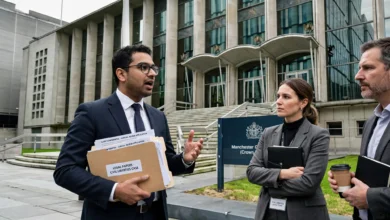
Chicago Civil Rights Law Firms: Excessive Force Attorneys
Chicago civil rights law firms help victims of police brutality pursue justice. Compare top excessive force attorneys and learn how they build strong cases.
Chicago civil rights law firms handle some of the most emotionally difficult and legally complex cases in the country, and excessive force claims sit near the top of that list. When a police encounter turns violent and a person is hurt by an officer who used more force than the situation called for, the aftermath can leave someone dealing with medical bills, lost income, and a justice system that doesn’t always make it easy to hold law enforcement accountable. That’s where a skilled excessive force attorney comes in.
Chicago has a long, well-documented history with police misconduct litigation, and the city’s legal community has responded with attorneys who focus specifically on these cases. Finding the right civil rights law firm matters because these cases require a mix of criminal justice knowledge, federal civil rights law, and the resources to go up against a city legal department that doesn’t settle easily.
This article walks through what excessive force means under the law, why local experience matters so much, what separates a strong firm from an average one, and how the legal process typically unfolds in Chicago. Whether you’re researching options for yourself or a family member, this guide should give you a clear, practical starting point.
Understanding Excessive Force Claims in Chicago
Before comparing Chicago civil rights law firms, it helps to understand what an excessive force claim actually is and why it’s treated differently from an ordinary personal injury case.
What Counts as Excessive Force
Excessive force happens when a police officer uses more physical force than what’s reasonably necessary to control a situation, make an arrest, or protect themselves and others. Courts look at this through what’s called the “objective reasonableness” standard, first laid out by the U.S. Supreme Court in Graham v. Connor. That means a judge or jury doesn’t ask whether the officer meant harm; instead, they ask whether a reasonable officer in the same position would have used that same level of force.
Common examples include:
- Punching, kicking, or striking a person who is already restrained
- Using a taser on someone who isn’t resisting
- Deploying a chokehold or other neck restraint
- Firing a weapon at a person who poses no immediate threat
- Excessive use of a police K-9 during an arrest
- Continued force after a suspect has stopped resisting
Legal Basis: Section 1983 Claims
Most excessive force lawsuits in Chicago are filed under 42 U.S.C. Section 1983, a federal civil rights statute that allows individuals to sue government officials, including police officers, for violating their constitutional rights while acting under the authority of their position. This law is the backbone of nearly every excessive force case, and a firm’s familiarity with Section 1983 litigation is one of the clearest signs of real experience in this practice area. You can read more about how this statute works directly from the Cornell Law School Legal Information Institute, which offers a plain-language breakdown of the statute and related case law.
Why You Need a Specialized Chicago Civil Rights Law Firm
Not every personal injury lawyer is equipped to handle a case against the Chicago Police Department or Cook County law enforcement. These cases involve government entities with their own legal teams, procedural protections, and, in many instances, qualified immunity defenses that can shut down a case before it ever reaches trial if it isn’t argued correctly.
Local Court Experience
A Chicago civil rights law firm that regularly appears in the U.S. District Court for the Northern District of Illinois understands the judges, the local rules, and how the Cook County State’s Attorney’s office typically approaches these cases. That familiarity often shapes how quickly a case moves and how it’s negotiated.


Investigative Resources
Excessive force cases live and die on evidence. Body camera footage, dashcam video, hospital records, witness statements, and internal police disciplinary records all need to be gathered quickly, sometimes before they’re lost or overwritten. Established excessive force attorneys in Chicago typically have investigators, retained use-of-force experts, and established relationships with the Civilian Office of Police Accountability (COPA) that smaller general practice firms simply don’t have.
Understanding of Qualified Immunity
Qualified immunity is one of the biggest hurdles in any police misconduct case. It shields officers from liability unless their conduct violated a “clearly established” right. A firm with deep civil rights experience knows how to build a case record that overcomes this defense, citing prior case law and departmental patterns of misconduct where relevant.
What to Look for in Excessive Force Attorneys
Choosing among Chicago civil rights law firms can feel overwhelming, especially while you’re also recovering physically and emotionally. Here are the factors that actually matter.
Track Record With Similar Cases
Ask directly about outcomes in prior excessive force and police brutality cases. A firm that can point to settlements, verdicts, or successful appeals involving the Chicago Police Department has a much better sense of what works in this specific jurisdiction.
Contingency Fee Arrangements
Most reputable civil rights attorneys work on a contingency basis, meaning you don’t pay legal fees unless the firm wins your case. This matters because it removes the financial barrier to pursuing a claim and also tells you the firm believes in the strength of your case before taking it on.
Communication and Case Updates
Civil rights litigation can take months or even years. A firm that provides regular updates, explains next steps in plain language, and responds to calls and emails promptly will make a stressful process considerably more manageable.
Trial Readiness
Some firms settle almost every case; others are known for taking cases to trial when the city’s offer doesn’t reflect the harm done. Ask whether the firm is comfortable litigating through trial, because that reputation alone can affect how seriously the opposing side negotiates.
The Legal Process for Excessive Force Cases in Chicago
Understanding the general timeline helps set realistic expectations when working with Chicago civil rights law firms.
1. Initial Consultation and Case Evaluation
Most firms offer a free consultation to review the facts, check whether the statute of limitations still applies (generally two years in Illinois for personal injury and civil rights claims), and determine whether the case has merit.
2. Investigation and Evidence Collection
This stage includes obtaining body camera footage through Freedom of Information Act (FOIA) requests, medical documentation, incident reports, and any COPA or Chicago Police Board records related to the officer involved.
3. Filing the Complaint
The attorney files a formal complaint in federal or state court outlining the constitutional violation, the facts of the incident, and the damages being sought.
4. Discovery
Both sides exchange evidence, take depositions, and, if needed, bring in use-of-force experts to testify about whether the officer’s actions were reasonable under the circumstances.
5. Settlement Negotiations or Trial
Many excessive force cases settle before trial, particularly when video evidence clearly supports the plaintiff’s account. If a fair settlement isn’t reached, the case proceeds to trial before a judge or jury.
For a broader look at how civil rights enforcement works at the federal level, the U.S. Department of Justice Civil Rights Division publishes resources on police misconduct investigations and the legal standards involved.
Common Types of Police Misconduct Cases
Excessive force attorneys in Chicago handle a range of related claims beyond a single violent encounter. These include:
- Wrongful arrest and false imprisonment – detaining someone without probable cause
- Malicious prosecution – pursuing charges without legitimate evidence
- Failure to intervene – when other officers witness misconduct and do nothing to stop it
- Denial of medical care – failing to get injured detainees timely medical attention
- Unlawful search and seizure – violations of Fourth Amendment protections
- Wrongful death – cases where excessive force resulted in a fatality
- Strip search violations – improper or unjustified searches during detention
A well-rounded civil rights law firm will typically handle several of these categories, since misconduct cases often overlap.
How Chicago Civil Rights Law Firms Build Your Case
Building a strong excessive force claim isn’t just about proving an officer used force. It’s about proving that force was objectively unreasonable given everything happening at that moment.
Gathering and Preserving Video Evidence
Body-worn camera footage is often the single most important piece of evidence. Attorneys move quickly to request and preserve this footage before retention periods expire.
Working With Use-of-Force Experts
Retired officers or law enforcement trainers are often brought in to testify about department policy, standard de-escalation practices, and whether the force used matched the actual threat level.
Reviewing Officer Disciplinary History
If an officer has a documented pattern of complaints or prior misconduct findings, this history can strengthen a case, particularly when arguing against qualified immunity or establishing a pattern that the city was aware of and failed to correct.
Calculating Damages
This includes medical expenses, lost wages, pain and suffering, and in more severe cases, long-term disability or psychological harm. An experienced firm works with medical providers and financial experts to accurately value a claim rather than accepting a lowball settlement offer.
Compensation and Damages in Excessive Force Cases
Victims pursuing claims through Chicago civil rights law firms may be entitled to several categories of compensation:
- Medical expenses – past and future treatment related to the injury
- Lost income – wages missed during recovery, including reduced future earning capacity
- Pain and suffering – compensation for physical pain and emotional distress
- Punitive damages – in cases involving particularly egregious conduct, intended to punish the officer and deter future misconduct
- Attorney’s fees – Section 1983 allows successful plaintiffs to recover reasonable attorney’s fees, which is part of why contingency arrangements are common in this practice area
Choosing the Right Excessive Force Attorney: Questions to Ask
Before signing with any firm, it’s worth asking a few direct questions during your consultation:
- How many excessive force or police misconduct cases have you handled in Cook County or the Northern District of Illinois?
- What is your general approach to filing a COPA complaint alongside a civil lawsuit?
- Do you have in-house investigators or do you outsource evidence collection?
- What percentage of your cases settle versus go to trial?
- How do you communicate case progress, and how often should I expect updates?
A firm that answers these questions clearly and without hesitation is usually a good sign of genuine experience in civil rights litigation.
Conclusion
Excessive force cases are among the most difficult legal battles a person can face, not just because of the physical and emotional toll, but because of the legal hurdles involved in holding law enforcement accountable. Working with an experienced Chicago civil rights law firm gives victims a real chance at accountability and fair compensation, since these attorneys understand Section 1983 litigation, local court procedures, and how to overcome defenses like qualified immunity.
If you or someone you love has been hurt by police misconduct, taking the time to find the right excessive force attorney can make a meaningful difference in how your case unfolds and how it’s ultimately resolved.