Atlanta Civil Rights Lawyers: Racial Discrimination Cases
Atlanta civil rights lawyers help victims of racial discrimination fight back. Learn your rights, the legal process, and how to find trusted help.
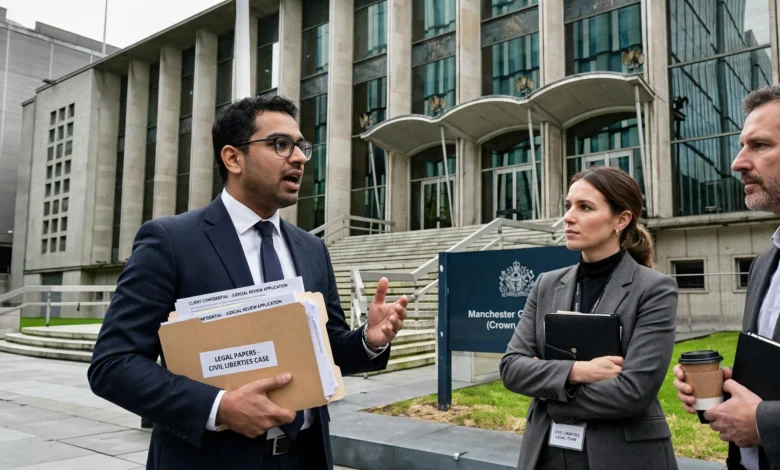
Racial discrimination doesn’t always show up as something loud or obvious. Sometimes it’s a promotion that quietly goes to someone less qualified. Sometimes it’s a landlord who suddenly has “no vacancies” the moment you mention your name over the phone. Sometimes it’s how a police stop unfolds differently depending on who’s in the driver’s seat. If you’ve lived through something like this in Atlanta, you already know how isolating and confusing it can feel, and how hard it is to know what to do next.
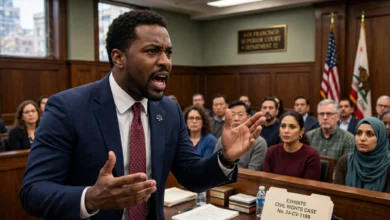
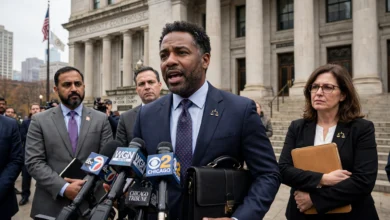
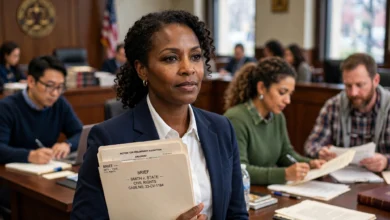
That’s where Atlanta civil rights lawyers come in. These attorneys focus specifically on cases where someone’s race played a role in how they were treated at work, in housing, in school, or by law enforcement. They understand federal laws like Title VII of the Civil Rights Act and Georgia-specific protections, and they know how to build a case that holds up.
This article walks through what racial discrimination looks like in practice, why working with an experienced civil rights attorney in Atlanta matters, what the legal process actually involves, and how to choose a lawyer who will genuinely fight for you. Whether you’re dealing with a hostile workplace, a denied apartment application, or unequal treatment in a public setting, understanding your options is the first step toward getting real accountability.
What Counts as Racial Discrimination Under the Law
Before you can bring a claim, it helps to understand what the law actually considers discrimination. Racial discrimination happens when someone is treated unfairly because of their race, color, or ethnicity, and it’s illegal under both federal and Georgia state law.
Federal protections come mainly from:
- Title VII of the Civil Rights Act of 1964 – bans discrimination in employment based on race, color, religion, sex, or national origin
- The Fair Housing Act – prohibits discrimination in renting, buying, or financing housing
- Title VI of the Civil Rights Act – bars discrimination in programs receiving federal funding, including public schools
- Section 1983 of the U.S. Code – allows people to sue government officials, including police officers, for violating their civil rights
You can find detailed guidance on these protections directly from the U.S. Equal Employment Opportunity Commission, which is the federal agency responsible for enforcing workplace discrimination laws.
In Georgia, additional protections come through the Georgia Fair Employment Practices Act and various local ordinances, particularly within the City of Atlanta, which has its own human relations commission that handles discrimination complaints.
Why You Need an Atlanta Civil Rights Lawyer
A lot of people try to handle discrimination complaints on their own, and it’s understandable why. Hiring a lawyer can feel expensive or intimidating, especially when you’re already dealing with the stress of being mistreated. But civil rights cases are genuinely difficult to win without legal representation, for a few reasons.
Building a strong case requires evidence, and evidence disappears fast. Emails get deleted, witnesses change jobs, and memories fade. An experienced attorney knows what to preserve and how to gather it before it’s gone.
Deadlines are strict and unforgiving. Most discrimination claims have to go through an administrative agency, like the EEOC, before you can even file a lawsuit. Miss that filing window, often just 180 or 300 days depending on the situation, and you may lose your right to sue entirely.
Employers and institutions have lawyers too. Companies, landlords, and government agencies almost always have legal counsel ready to defend them. Going up against that without your own representation puts you at a serious disadvantage.
Racial discrimination lawyers in Atlanta understand local courts and juries. They know how judges in the Northern District of Georgia tend to rule, which arguments resonate with local juries, and how to navigate Fulton County or DeKalb County court systems specifically.
Types of Racial Discrimination Cases Atlanta Attorneys Handle
Civil rights law covers a wide range of situations. Here’s a closer look at the most common categories.
Workplace Discrimination
This is by far the most frequent type of case. It can include:
- Being passed over for promotions in favor of less qualified colleagues
- Receiving lower pay than coworkers doing the same job
- Facing a hostile work environment, including racial slurs or jokes
- Being fired or demoted shortly after reporting discrimination (retaliation)
- Discriminatory hiring practices, like resumes being rejected based on names that sound racially identifiable
Employment discrimination lawyers in Atlanta typically start by helping clients file a charge with the EEOC or the Georgia Commission on Equal Opportunity before pursuing a lawsuit.
Housing Discrimination
Housing discrimination often looks like:
- Landlords steering renters toward or away from certain neighborhoods based on race
- Higher deposits or rent quoted to applicants of certain backgrounds
- Mortgage lenders offering worse rates or denying loans without clear justification
- Real estate agents showing fewer listings to buyers of color
These cases usually fall under the Fair Housing Act, and Atlanta has seen a steady stream of housing discrimination complaints given the city’s rapidly changing real estate market.
Education-Related Discrimination
Public schools and universities that receive federal funding are required to treat students equally regardless of race. Cases here might involve:
- Disproportionate disciplinary action against students of certain races
- Unequal access to advanced coursework or resources
- Racial harassment that a school fails to address
Police Misconduct and Racial Profiling
Unfortunately, this remains one of the more painful categories of civil rights violations. It includes:
- Traffic stops or searches based on race rather than actual suspicion
- Excessive force used disproportionately against people of color
- Wrongful arrests tied to racial profiling
These cases are often brought under Section 1983 and can be complex, since they usually involve government entities that have certain legal protections. A skilled civil rights attorney in Atlanta knows how to navigate qualified immunity defenses and build a case that overcomes them.
Public Accommodation Discrimination
This covers discrimination in restaurants, stores, hotels, and other public businesses, such as being refused service, watched more closely by staff, or treated differently in a way that’s clearly tied to race.
How to Choose the Right Atlanta Civil Rights Lawyer
Not every personal injury or general practice attorney is equipped to handle a discrimination case well. Civil rights law is its own specialty, with its own procedural rules, agencies, and case strategy. Here’s what to look for.
1. Experience With Your Specific Type of Case
A lawyer who mostly handles housing discrimination may not be the best fit for a police misconduct claim, and vice versa. Ask directly about their track record with cases similar to yours.
2. A Clear Fee Structure
Most civil rights attorneys work on contingency, meaning you don’t pay unless they win your case. This matters a lot, since many people delay seeking help simply because they assume it’s unaffordable. Confirm this arrangement upfront and get it in writing.
3. Familiarity With Local Agencies and Courts
Someone who regularly files with the Atlanta Human Relations Commission, the EEOC’s Atlanta District Office, or practices in the Northern District of Georgia will move faster and more effectively than someone unfamiliar with those systems.
4. Communication Style
You want a lawyer who explains things clearly, returns calls promptly, and treats you like a person rather than a case number. Discrimination cases are emotionally taxing, and the right attorney should acknowledge that while staying focused on results.
5. Willingness to Go to Trial
Some firms settle almost everything quickly because they don’t want the time or cost of trial. That’s not always in your best interest. Ask whether the lawyer has actual trial experience and is prepared to take a case that far if a fair settlement isn’t offered.
The Legal Process for Filing a Racial Discrimination Claim in Georgia
Understanding the general steps can make the process feel less overwhelming.
- Initial consultation – Most Atlanta civil rights lawyers offer a free case evaluation to determine whether you have a viable claim.
- Evidence gathering – Your attorney collects documentation, witness statements, emails, texts, and any other relevant records.
- Filing with the appropriate agency – For employment cases, this usually means filing a charge with the EEOC or a state fair employment agency first. This step is legally required before most discrimination lawsuits can proceed.
- Investigation and mediation – The agency investigates and may offer mediation between you and the other party.
- Right-to-sue letter – If the agency doesn’t resolve the matter or you choose not to accept a settlement, you’ll typically receive a right-to-sue letter allowing you to move forward in court.
- Filing a lawsuit – Your lawyer files suit in the appropriate federal or state court, most often the U.S. District Court for the Northern District of Georgia for federal claims.
- Discovery and negotiation – Both sides exchange evidence, and many cases settle at this stage.
- Trial – If no fair settlement is reached, the case proceeds to trial before a judge or jury.
This entire process can take anywhere from several months to a couple of years, depending on the complexity of the case and whether it settles early.
What Compensation Can You Recover?
Victims of racial discrimination in Atlanta may be entitled to several types of compensation, depending on the specifics of the case:
- Back pay for lost wages due to wrongful termination or demotion
- Front pay if reinstatement isn’t a realistic option
- Compensatory damages for emotional distress, humiliation, and pain and suffering
- Punitive damages in cases involving particularly egregious or intentional conduct
- Attorney’s fees and court costs, which are often recoverable in successful civil rights cases
- Policy changes, in some cases, as part of a settlement agreement, which can help prevent future discrimination
The exact amount varies widely based on the strength of the evidence, the severity of the harm, and whether the case settles or goes to trial.
Common Mistakes People Make in Discrimination Cases
Avoiding these missteps can significantly improve your chances of a successful outcome.
- Waiting too long to act. Filing deadlines are strict, and waiting even a few months can jeopardize your case.
- Not documenting incidents. Write down dates, times, what was said, and who was present as soon as possible after each incident.
- Venting on social media. Public posts about your case can sometimes be used against you during litigation.
- Accepting the first settlement offer. Initial offers are often lower than what a case is actually worth. An experienced attorney can help you evaluate whether an offer is fair.
- Trying to handle everything alone. Even strong cases can fall apart without proper legal guidance through the administrative filing process.
Frequently Asked Questions
How much does it cost to hire a civil rights lawyer in Atlanta? Most work on a contingency fee basis, meaning there’s no upfront cost, and the attorney only gets paid if you win or settle your case.
How long do I have to file a discrimination claim in Georgia? For employment cases, you generally have 180 days from the incident to file with the EEOC, though this can extend to 300 days if a state or local agency also enforces the law. Housing and other claims may have different timelines, so it’s important to consult a lawyer quickly.
Can I sue if my employer retaliated against me for reporting discrimination? Yes. Retaliation is illegal under the same laws that prohibit the original discrimination, and it’s often treated as a separate, additional claim.
Do I need proof beyond my own account of what happened? While your testimony matters, cases are much stronger with supporting evidence such as emails, texts, witness statements, or documented patterns of unequal treatment. For a broader look at how discrimination claims are evaluated nationally, the American Civil Liberties Union offers useful background on how racial justice cases are approached.
Conclusion
Facing racial discrimination in Atlanta, whether at work, in housing, at school, or during an encounter with police, is exhausting and often disorienting, but you don’t have to navigate it without support. Understanding what qualifies as discrimination, knowing the legal process, and working with an experienced Atlanta civil rights lawyer can make the difference between a case that goes nowhere and one that leads to real accountability and fair compensation.
If you believe your rights have been violated, documenting what happened and speaking with a qualified attorney as soon as possible is the strongest step you can take toward protecting yourself and holding the responsible party accountable.