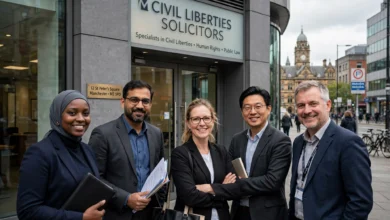
Melbourne Human Rights Lawyers: Anti-Discrimination Act Claims
Melbourne human rights lawyers explain how Anti-Discrimination Act claims work, who qualifies, and how to protect your rights at work or in public life.

Melbourne human rights lawyers deal with one of the most personal areas of law there is. Discrimination doesn’t just cost someone a job or a rental property. It chips away at dignity, and it often happens quietly, over months, before a person even realises they have a legal claim. If you’ve been treated unfairly because of your race, age, disability, sex, sexual orientation, pregnancy, or religion, Victorian and federal law gives you a real path to hold the other party accountable.
This article walks through how Anti-Discrimination Act claims actually work in Melbourne, what counts as unlawful discrimination, and how a lawyer who specialises in this area can help you build a case that holds up. We’ll also look at the practical side: timeframes, evidence, the conciliation process at the Victorian Equal Opportunity and Human Rights Commission (VEOHRC), and what happens if your matter ends up at the Victorian Civil and Administrative Tribunal (VCAT).
Discrimination law in Victoria sits across a few different pieces of legislation, and that’s part of what makes these claims confusing for people without legal training. The Equal Opportunity Act 2010 (Vic) is the main state law, but federal acts like the Sex Discrimination Act, Racial Discrimination Act, Disability Discrimination Act, and Age Discrimination Act also apply, depending on where the discrimination happened and who was involved. A good human rights lawyer in Melbourne will know which act gives you the strongest claim and which forum is the right one to pursue it in.
Whether you’re an employee, a tenant, a student, or someone who was refused service, understanding your rights is the first step toward getting a fair outcome.
What Is the Anti-Discrimination Act?
When people talk about “the Anti-Discrimination Act” in Victoria, they’re usually referring to the Equal Opportunity Act 2010. This law makes it illegal to treat someone unfavourably because of a personal characteristic that has nothing to do with their ability to do a job, rent a home, or access a service.
The Act covers discrimination in these main areas of public life:
- Employment (hiring, promotion, dismissal, workplace conditions)
- Education (schools, universities, training providers)
- Housing and accommodation
- Goods, services, and facilities (retail, hospitality, healthcare)
- Clubs and club membership
- Sport
- Local government
Under the Act, discrimination can be either direct or indirect. Direct discrimination is straightforward: someone is treated worse than another person would be in the same situation, because of a protected attribute. Indirect discrimination is subtler. It happens when a rule or policy applies to everyone equally on paper, but disadvantages a particular group in practice. A dress code that effectively excludes people of a certain religion, for example, could amount to indirect discrimination even if it wasn’t written with that intent.
Protected Attributes Under Victorian Law
The Equal Opportunity Act lists a wide range of protected attributes, including:
- Age
- Disability or physical features
- Race, colour, ethnicity, or national origin
- Sex, gender identity, and sexual orientation
- Pregnancy and breastfeeding
- Religious belief or activity
- Political belief or activity
- Marital or relationship status
- Parental or carer status
- Employment activity (such as being a member of a union)
If you’ve experienced unfavourable treatment linked to any of these attributes, you may have grounds for a claim, and this is where consulting Melbourne human rights lawyers early on makes a real difference to how your case is framed.


Why Anti-Discrimination Act Claims Are Worth Pursuing
Some people hesitate to pursue a discrimination claim because they assume it will be drawn out, expensive, or unlikely to change anything. In reality, the process is designed to be more accessible than most areas of litigation, and outcomes can include real, practical remedies.
A successful Anti-Discrimination Act claim can result in:
- Financial compensation for lost income, hurt feelings, or humiliation
- Reinstatement to a job or position, in some employment cases
- A formal apology from the person or organisation responsible
- Policy changes within a workplace or institution to prevent future discrimination
- Training requirements imposed on staff or management
Beyond the tangible outcomes, many people find that pursuing a claim gives them a sense of closure and a formal acknowledgment that what happened to them was wrong. That matters, particularly when discrimination has affected someone’s confidence or mental health over a long period.
Common Situations Melbourne Human Rights Lawyers Handle
Discrimination shows up in a lot of everyday settings, and it’s not always obvious at first. Here are some of the more common scenarios that bring people to seek legal advice.
Workplace Discrimination
This is by far the most common category of claim. It can include being passed over for promotion because of age, being dismissed shortly after disclosing a pregnancy, or facing a hostile work environment because of race or religion. Workplace discrimination often overlaps with unfair dismissal and general protections claims under the Fair Work Act, so it’s worth having a lawyer assess whether your matter should be run under state discrimination law, federal employment law, or both.
Disability Discrimination
Employers, schools, and service providers have a legal duty to make reasonable adjustments for people with disability, unless doing so would cause unjustifiable hardship. Refusing to provide accessible facilities, declining to modify work duties, or excluding a student with a disability from an activity can all amount to unlawful discrimination.
Discrimination in Housing and Tenancy
Landlords and real estate agents cannot refuse to rent a property, set different conditions, or evict someone based on a protected attribute. This includes refusing tenants with children, refusing applicants because of their racial background, or discriminating against people receiving government income support in some circumstances.
Discrimination in Education
Schools and universities must not exclude, expel, or treat students unfavourably because of disability, race, religion, or other protected characteristics. This also covers a failure to provide reasonable adjustments for students with learning or physical disabilities.
Discrimination in Access to Services
Being refused entry to a venue, denied service at a shop, or treated differently by a healthcare provider because of a protected attribute can all form the basis of a claim.
How to Make an Anti-Discrimination Act Claim in Melbourne
The process for lodging a discrimination complaint in Victoria generally follows a set path, and understanding each stage helps set realistic expectations about timing and outcomes.
Step 1: Gather Your Evidence
Before lodging anything, it helps to have a clear written record of what happened. This includes:
- Dates and descriptions of each incident
- Names of anyone involved or who witnessed the treatment
- Emails, texts, or messages that support your account
- Any policies, contracts, or documents relevant to the situation
- Records of how the treatment affected you, including medical or counselling records if relevant
Step 2: Lodge a Complaint with VEOHRC
Most Victorian discrimination complaints start with the Victorian Equal Opportunity and Human Rights Commission. VEOHRC is a free, independent body that receives complaints and offers a conciliation service to try to resolve disputes without going to a formal hearing. You can find information on how to lodge a complaint directly through the Victorian Equal Opportunity and Human Rights Commission.
Step 3: Conciliation
Conciliation is a confidential, informal meeting between you and the other party, guided by a commission representative. Many discrimination matters resolve at this stage through an agreed outcome, which might include compensation, an apology, or changes to a policy. Having a lawyer prepare your position beforehand, even if they don’t attend, often strengthens your negotiating position.
Step 4: VCAT Proceedings
If conciliation doesn’t resolve the matter, you can apply to have your complaint heard at the Victorian Civil and Administrative Tribunal. VCAT can make binding orders, including compensation, and its process is generally faster and less formal than the courts. This is the stage where experienced Melbourne human rights lawyers are most valuable, since presenting evidence and legal argument effectively can significantly affect the outcome.
Step 5: Federal Options
If your matter involves federal discrimination law, such as claims under the Sex Discrimination Act or Disability Discrimination Act, you may instead lodge a complaint with the Australian Human Rights Commission. Details on this process are available through the Australian Human Rights Commission.
Time Limits for Discrimination Claims
Time limits matter a lot in this area of law, and missing a deadline can mean losing your right to claim altogether.
- Complaints to VEOHRC generally should be lodged as soon as practicable, and there’s no strict statutory limitation period, but delay can weaken a claim and affect how it’s assessed.
- Federal discrimination complaints to the Australian Human Rights Commission typically need to be lodged within six months of the alleged discrimination, although the Commission can accept later complaints in some circumstances.
- If a matter proceeds to VCAT or court, additional procedural deadlines apply.
Because these timeframes vary depending on which act applies, speaking with a lawyer early is one of the most practical things you can do to protect your claim.
What Compensation Can You Expect?
Compensation in discrimination cases isn’t a fixed amount, and it depends heavily on the facts of each case. VCAT and courts generally consider:
- The severity and duration of the discrimination
- The impact on the person’s health, finances, and wellbeing
- Whether the discrimination involved multiple incidents or a single event
- Any financial loss, such as lost wages or medical expenses
- The conduct of the respondent during the process, including whether they showed genuine remorse
Compensation amounts in Victorian discrimination cases have ranged from a few thousand dollars for isolated incidents to well over one hundred thousand dollars in serious workplace cases involving long-term psychological harm. A lawyer can give you a realistic estimate based on comparable cases and the specific evidence in your matter.
How Melbourne Human Rights Lawyers Build a Strong Case
Discrimination claims often come down to whether you can draw a clear connection between the unfavourable treatment and the protected attribute. This is rarely as simple as it sounds, because respondents will usually offer an alternative explanation for their conduct. An experienced lawyer helps by:
- Identifying the correct legal framework, whether that’s state, federal, or both
- Structuring your evidence so the timeline and pattern of conduct are clear
- Anticipating the other side’s defence, such as claims of “genuine occupational requirement” or “unjustifiable hardship”
- Negotiating during conciliation to reach a fair resolution without a formal hearing
- Representing you at VCAT or in court, if the matter doesn’t settle
Discrimination law also intersects with other legal areas, including employment law, tenancy law, and disability law, so lawyers who work across these areas tend to spot angles that a general practitioner might miss.
Choosing the Right Human Rights Lawyer in Melbourne
Not every discrimination case needs a full legal team, but the right advice at the right time can be the difference between a resolved complaint and a drawn-out dispute. When choosing a lawyer, it’s worth asking:
- Do they specialise in discrimination or human rights law, rather than practising it occasionally alongside unrelated areas?
- Have they run matters at VCAT or the Federal Circuit and Family Court, where discrimination cases can end up?
- Do they offer a no-win-no-fee or fixed-fee arrangement, so you understand the cost before committing?
- Will they give you a realistic assessment, including the weaknesses in your case, rather than just telling you what you want to hear?
- Do they communicate clearly, explaining legal steps in plain language rather than jargon?
A lawyer who takes the time to explain the process, rather than rushing you toward a settlement, is usually a good sign you’re in capable hands.
Frequently Asked Questions
Do I need a lawyer to lodge a discrimination complaint? No, you can lodge a complaint with VEOHRC or the Australian Human Rights Commission yourself. However, legal advice significantly improves your chances of a favourable outcome, particularly if the matter moves to conciliation or a tribunal hearing.
Can I be discriminated against for making a complaint? No. Both state and federal law prohibit victimisation, which means it’s separately unlawful for someone to treat you badly because you made or supported a discrimination complaint.
What if the discrimination happened years ago? It’s still worth getting advice. While delays can affect a claim, some circumstances allow for late complaints to be accepted, especially where the impact of the discrimination has been ongoing.
Is discrimination always intentional? No. Indirect discrimination can occur even without any intent to discriminate, if a policy or practice disadvantages people with a particular protected attribute.
Conclusion
Discrimination law in Victoria and Australia gives people a genuine, structured path to challenge unfair treatment, whether it happens at work, in housing, at school, or when accessing everyday services. Understanding the Equal Opportunity Act 2010 and the relevant federal laws, knowing your protected attributes, and acting within the applicable time limits all put you in a stronger position to succeed. From gathering evidence through to conciliation and, if necessary, a hearing at VCAT, each stage of an Anti-Discrimination Act claim benefits from careful preparation and clear legal strategy.
Working with experienced Melbourne human rights lawyers gives you a better understanding of your rights, a realistic view of what compensation or resolution might look like, and support through what can otherwise be a stressful and unfamiliar process.