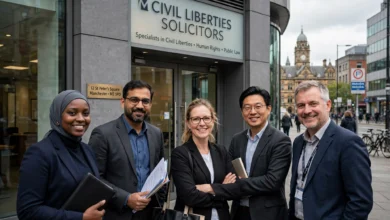
Sydney Civil Rights Lawyers: Discrimination and Harassment
Facing discrimination or harassment in Sydney? Learn how Sydney civil rights lawyers can help you file a claim, gather evidence, and get results.

If you’ve experienced unfair treatment at work, in housing, or in public life because of who you are, you’re not alone, and you don’t have to sort it out by yourself. Sydney civil rights lawyers deal with exactly this kind of case every day, and they know the legal process better than almost anyone else you could ask for advice.
Discrimination and harassment can show up in a hundred small ways before anyone calls it what it is. A manager who keeps passing you over for promotion. Coworkers who make comments about your accent, your religion, or your body. A landlord who suddenly finds a reason to reject your rental application after meeting you in person. On their own, each incident might feel like something to shrug off. Together, they can amount to a pattern that the law actually recognizes and protects against.
This article walks through what discrimination lawyers in Sydney actually do, how NSW and federal discrimination law works, what counts as harassment, how the complaint process unfolds from start to finish, and how to pick a lawyer who’s the right fit for your situation. Whether you’re dealing with a workplace issue, a housing dispute, or ongoing harassment, understanding your rights is the first step toward doing something about it.
What Do Sydney Civil Rights Lawyers Actually Do?
A civil rights lawyer in Sydney helps people who believe their legal rights have been violated because of a protected characteristic, things like race, sex, age, disability, religion, or sexual orientation. Their work usually falls into a few categories:
- Advising you on whether what happened actually meets the legal definition of discrimination or harassment
- Helping you collect and organize evidence (emails, texts, witness accounts, HR records)
- Lodging a formal complaint with the right government body
- Representing you during conciliation, which is the informal negotiation stage most cases go through first
- Taking the matter to a tribunal or court if conciliation doesn’t resolve things
- Negotiating settlements, including compensation, reinstatement, or policy changes at the workplace involved
Good lawyers in this space also do something less obvious but just as important: they tell you honestly when a case is weak, when it’s strong, and what a realistic outcome looks like. That kind of straight talk saves people a lot of wasted time and emotional energy.
Understanding Discrimination Law in Sydney
Discrimination law in New South Wales sits across two systems that work alongside each other: state law and federal law. Knowing which one applies (sometimes both do) matters because it affects where you lodge your complaint and what time limits apply.
Protected Attributes Under the Anti-Discrimination Act 1977
At the state level, the Anti-Discrimination Act 1977 (NSW) sets out the attributes that are protected from discrimination. These include:
- Race, including colour, nationality, and ethnic or national origin
- Sex and pregnancy
- Marital or domestic status
- Disability, including physical, intellectual, psychiatric, and sensory disability
- Age
- Homosexuality, transgender status, and carer’s responsibilities
- Religious belief in some contexts
The Act covers discrimination in employment, education, the provision of goods and services, accommodation (housing), and access to public places. Complaints under this Act are handled by Anti-Discrimination NSW, formerly known as the NSW Anti-Discrimination Board.
Federal vs State Discrimination Law
At the federal level, discrimination is covered by several separate Acts, including the Racial Discrimination Act 1975, the Sex Discrimination Act 1984, the Disability Discrimination Act 1992, and the Age Discrimination Act 2004. Complaints under these Acts go to the Australian Human Rights Commission, which investigates complaints and offers conciliation, though it doesn’t have the power to make binding findings itself.


If your complaint isn’t resolved at the Commission and you want to push further, it can proceed to the Federal Court or Federal Circuit and Family Court. A lawyer’s job here is partly strategic: deciding whether your matter is better suited to the state or federal pathway, since the process, the timeframes, and the possible remedies aren’t identical.
Workplace Harassment and Sexual Harassment Claims
Harassment claims are some of the most common matters that Sydney harassment lawyers handle, and workplace harassment is the biggest category by far.
What Counts as Harassment
Harassment generally means unwelcome conduct connected to a protected attribute that creates an intimidating, hostile, or offensive environment. It doesn’t need to be a single dramatic incident. Courts and tribunals regularly look at:
- Repeated comments, jokes, or “banter” tied to someone’s race, sex, disability, or age
- Unwanted physical contact or sexual advances
- Persistent exclusion from meetings, projects, or social events based on a protected characteristic
- Offensive messages, emails, or social media posts directed at a colleague
- Threats or intimidation connected to someone’s identity
Sexual harassment specifically covers unwelcome sexual advances, requests for sexual favours, or other unwelcome conduct of a sexual nature that a reasonable person would expect to make someone feel offended, humiliated, or intimidated. Since changes to federal workplace law in recent years, employers now carry a positive duty to prevent sexual harassment, not just respond to it after the fact.
Employer Obligations
Employers in Sydney are required to take reasonable steps to provide a workplace free from discrimination and harassment. That generally means having clear policies, training staff, and acting promptly and properly when a complaint is raised. When an employer fails on any of these fronts, that failure itself can become part of a legal claim, on top of the original conduct.
If your employer ignored your complaint, retaliated against you for raising it, or made your work life harder afterward, that retaliation may be unlawful victimisation in its own right, separate from the original discrimination or harassment.
How to Make a Discrimination or Harassment Complaint
The process can feel intimidating if you’ve never done it before, but it generally follows a predictable sequence. Here’s what it typically looks like.
Step 1: Gather Evidence
Before you file anything, start collecting whatever documentation you can. This might include:
- Emails, text messages, or Slack/Teams messages relevant to the conduct
- Notes you’ve made at the time, even brief ones with dates
- Names of anyone who witnessed the behaviour
- Any HR complaints, performance reviews, or internal correspondence
- Medical records if the conduct affected your mental or physical health
The earlier you start keeping records, the stronger your position tends to be later. Memories fade and messages get deleted, so don’t wait until you’ve decided to take formal action to start documenting things.
Step 2: Lodge with the Right Body
Depending on whether your matter is a state or federal issue, you’ll lodge your complaint with Anti-Discrimination NSW or the Australian Human Rights Commission. A lawyer can help you decide which pathway suits your case and draft the complaint so it’s clear and well supported from the outset.
Step 3: Conciliation
Most complaints go through conciliation first. This is a confidential, informal meeting where both sides try to reach a resolution without going to a tribunal or court. Outcomes from conciliation can include an apology, compensation, changes to workplace policy, or an agreement to part ways on specific terms. Having a lawyer present, or at least preparing you beforehand, tends to lead to better outcomes because you go in knowing what’s realistic and what isn’t.
Step 4: Tribunal or Court
If conciliation doesn’t resolve the matter, it can move to the NSW Civil and Administrative Tribunal (NCAT) for state complaints, or to the Federal Court or Federal Circuit and Family Court for federal complaints. This stage is more formal, involves evidence and legal argument, and is where having experienced legal representation matters most.
Time Limits You Need to Know
Time limits in discrimination and harassment matters are strict, and missing one can shut the door on an otherwise strong case. As a general guide:
- Complaints to Anti-Discrimination NSW generally need to be lodged within 12 months of the discriminatory act
- Complaints to the Australian Human Rights Commission have their own timeframes and can be affected by ongoing conduct versus a single incident
- Unfair dismissal claims connected to discrimination through the Fair Work Commission must usually be lodged within 21 days of dismissal, which is much shorter than people expect
Because these windows are so tight, speaking to a lawyer early, even before you’re sure you want to proceed, is worth doing. It costs you nothing to find out where you stand, and it can save a claim that would otherwise expire.
What Compensation Can You Get
People often ask what a successful discrimination or harassment claim is actually worth. There’s no fixed formula, but outcomes typically fall into a few categories:
- Financial compensation for lost wages, future economic loss, and non-economic loss such as pain and suffering
- Reinstatement to a job, in some employment matters
- A formal apology from the individual or organization involved
- Policy or training changes within the workplace or organization to prevent future incidents
- Costs orders in some tribunal or court proceedings, though this varies by jurisdiction
The size of compensation depends heavily on the severity and duration of the conduct, the impact on your health and finances, and how the matter is resolved. A lawyer experienced in this area can give you a realistic range based on similar past cases, rather than a guess.
Choosing the Right Sydney Civil Rights Lawyer
Not every lawyer who handles employment or civil litigation is genuinely experienced in discrimination and harassment matters, so it’s worth being a bit selective.
Questions to Ask
Before committing, it helps to ask a prospective lawyer:
- How many discrimination or harassment matters have you handled, and in which jurisdiction (state or federal)?
- What’s your experience with conciliation versus tribunal or court hearings?
- What outcomes have your recent clients achieved in similar situations?
- How do you charge, and are no win no fee arrangements available?
- Will you be the lawyer actually handling my file, or will it be passed to someone more junior?
No Win No Fee Arrangements
Many discrimination lawyers in Sydney offer no win no fee arrangements for suitable cases, meaning you don’t pay legal fees unless your claim succeeds. This makes legal representation accessible to people who might otherwise feel priced out of pursuing a claim. It’s worth asking exactly what “no win” means in practice, since some arrangements still involve disbursements (court filing fees, expert reports) regardless of outcome.
Common Situations Where Sydney Civil Rights Lawyers Help
To make this a bit more concrete, here are situations that regularly bring people to a civil rights lawyer in Sydney:
- Being denied a promotion or training opportunity because of age, sex, or disability
- Being dismissed shortly after disclosing a pregnancy, illness, or disability
- Ongoing racial or religious harassment from coworkers or management
- Sexual harassment by a colleague, supervisor, or client
- Being refused a rental property, loan, or service due to race, family status, or disability
- Bullying at work that’s connected to a protected attribute rather than general workplace conflict
- Retaliation after making an internal complaint about discrimination or harassment
- Discrimination in accessing education, including exclusion of students with disabilities from reasonable accommodations
If your situation resembles any of these, it’s a reasonable sign that a conversation with a lawyer is worth having, even if you’re not certain yet that you want to make a formal complaint.
Frequently Asked Questions
How much does it cost to hire a discrimination lawyer in Sydney? Costs vary. Many firms offer a free initial consultation and no win no fee arrangements for suitable matters, while others charge fixed fees for preliminary advice.
Can I make a complaint without a lawyer? Yes, you can lodge a complaint yourself with Anti-Discrimination NSW or the Australian Human Rights Commission. A lawyer isn’t required, but legal advice tends to improve outcomes, particularly once a matter moves past conciliation.
What if the discrimination happened years ago? Time limits generally apply, often around 12 months for state complaints, so older incidents may fall outside the window unless there’s an ongoing pattern of conduct or a valid reason for the delay.
Will making a complaint affect my job? Retaliating against someone for making a genuine discrimination complaint is itself unlawful. If your employer treats you worse after you raise a complaint, that retaliation can become part of your case.
Is my case strong enough to pursue? This is exactly the kind of question a lawyer can answer properly after reviewing your evidence, since it depends heavily on the specific facts, documentation, and timing involved.
Conclusion
Discrimination and harassment can affect every part of someone’s life, from their income and career to their mental health and sense of safety, which is why the legal protections in place exist and why acting on them matters. Sydney civil rights lawyers help people understand whether what happened to them meets the legal threshold, gather the right evidence, navigate conciliation with Anti-Discrimination NSW or the Australian Human Rights Commission, and pursue a tribunal or court claim if needed.
Time limits are strict, outcomes vary case by case, and the process can be confusing without guidance, so speaking with an experienced discrimination lawyer early gives you the clearest picture of your options and the best chance at a fair resolution.